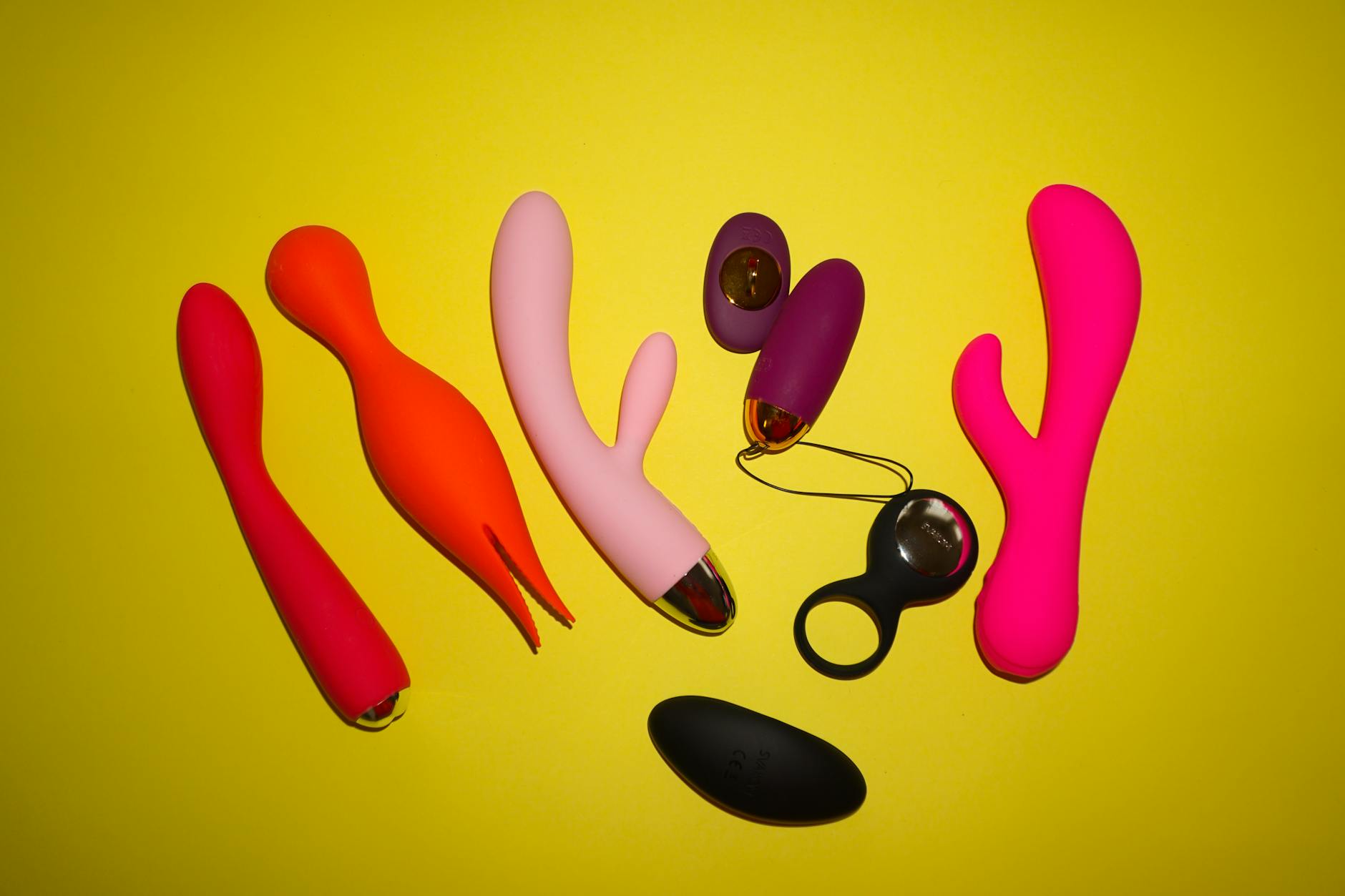
Let's be real about solo pleasure habits
Years of solo pleasure become a groove in your nervous system. Your body knows exactly what gets you there, at what speed, with what rhythm. That's not a problem in isolation. It's actually brilliant self-knowledge. But when you shift back into partnered sex, that groove can feel like a rut.
Your partner's touch doesn't match your vibrator's pattern. The pace feels wrong. The intensity lands differently. And honestly? After years of reliable solo sessions, partner sex can start to feel like someone else's version of pleasure rather than your own.
Here's what I see in my practice: people aren't choosing solo pleasure over partnership. They're choosing the thing that actually works for their body. The disconnect isn't about being selfish. It's about mismatch.
Why your body adapted to solo stimulation
When you use the same technique, rhythm, and intensity repeatedly, your nervous system becomes tuned to that specific input. Clitoral vibrators like the Lem work with efficiency. They hit the right frequency, the right pressure pattern, and you can control everything. Your body learns: this is how pleasure happens.
Meanwhile, partner touch is variable. A hand can't maintain the exact pressure a vibrator does. A partner's fingers get tired. Enthusiasm doesn't translate to consistency.
Your body isn't broken. It's just developed a preference based on what actually delivers results.
But here's the thing: your capacity for pleasure through partner touch hasn't disappeared. It's just been deprioritized.
The neuroscience of pleasure re-routing
Your brain has neuroplasticity. It rewires based on repeated input. Years of solo stimulation literally created stronger neural pathways for that specific sensation. But stronger doesn't mean permanent. You can build new pathways.
When you introduce novel sensations, slower rhythms, and different types of touch, your nervous system wakes up. It's not about throwing away what works solo. It's about expanding the menu.
The good news: sensation isn't zero-sum. You can enjoy both vibrators and partner touch. They don't compete. They can actually complement each other in ways that deepen both.
Step one: Name what actually happened
Most couples get stuck here because no one wants to say it out loud. "I don't feel much when you touch me," is a vulnerable thing to admit. And "I've gotten used to vibrators," can sound like criticism even when it's just anatomy.
But the couples who rebuild physical connection are the ones who say it directly and without blame. Here's what that conversation might sound like:
"I've spent a lot of years with solo pleasure that feels really specific to my body. That's not your fault. It's just what I learned works. But I miss feeling connected through touch with you. I want to rebuild that. Can we experiment together?"
Notice: no accusation. No "you never made me come." Just clarity about what's true and what you want to change.
Step two: Slow down partner touch intentionally
Speed is usually the culprit. Solo vibrator sessions are efficient. They're calibrated for quick results. Partner sex often mirrors that pace, which means it's also fast, goal-oriented, and not particularly exploratory.
Rebuild sensation by doing the opposite. Here's what actually works:
Take vibrators off the table for one week. Instead, commit to 20 minutes of partner touch with no orgasm as the goal. This sounds counterintuitive and it feels like deprivation at first. But it's not. It's actually retraining.
During these sessions: start with light touch on arms, chest, stomach. No pressure to escalate. No goal. Just sensation. Your partner should vary rhythm, pressure, and location every 30 seconds. Boredom is the point. Your nervous system needs to relearn that sensation can come from unexpected places.
After five or six sessions like this, you'll notice partner touch lands differently. Your body hasn't forgotten how to respond. It just needed permission to slow down.
Step three: Reintroduce vibrators as partnership tools, not replacements
Here's where most advice goes wrong: it suggests giving up vibrators entirely. Don't do that. Instead, bring them into partner sex differently.
Instead of solo vibrator sessions that happen in isolation, use the Lem or other clitoral vibrators during partnered sex. Your partner can hold it while you're together. They can watch how your body responds. The vibrator becomes a shared tool, not a solo shortcut.
This does two things: it removes the performance pressure on your partner (the vibrator handles intense stimulation) and it keeps sensation high enough that arousal actually builds.
Over time, as your nervous system readjusts to partner touch, you might find you need the vibrator less frequently during partnered sessions. Or you might not. The point is choice, not pressure.
Step four: Rebuild desire separately from sensation
Here's what gets confused: people assume sensation and desire are the same thing. They're not. You can have great sensation and zero desire. You can have desire and muted sensation.
If years of solo pleasure have created distance, desire might be the real issue. You might be feeling disconnected from your partner emotionally, which makes even good sex feel hollow.
That requires a different conversation. How to Restart Intimacy With Your Partner Using Lemon Vibrators digs into emotional reconnection alongside physical pleasure. Because one without the other is just efficient mechanics.
Step five: Expect awkwardness, then move past it
The first time you slow down partner touch after years of solo speed, it will feel weird. You'll want to rush. Your partner might feel awkward or unsure. That's normal.
Give it at least three weeks. Real neurological rewiring takes time. Your body doesn't shift overnight.
And here's what actually helps: humor. "This is so slow, I feel like I'm in a nature documentary about my own pleasure." Laugh about it. Mean it. Awkwardness dissolves when you acknowledge it rather than push through it.
When to seek support
If you've tried slowing down, reintroduced partner touch, and still feel nothing, something else might be happening. Sometimes solo pleasure habits mask deeper disconnection, resentment, or touch aversion.
A good couples therapist or sex therapist can help untangle what's under the surface. This isn't a failure. It's just using tools designed for exactly this.
Also: if your partner is feeling rejected or like the vibrator is competition, that conversation needs a neutral third party sometimes. A therapist can reframe it so the vibrator becomes a bridge back to connection rather than proof of disconnection.
The pathway forward
Years of solo pleasure aren't a problem you need to fix. They're a pattern you can evolve. Your body's capacity for pleasure doesn't shrink. It expands when you offer it new stimulus, new rhythms, new types of touch.
Physical reconnection after solo habits requires patience, honesty, and willingness to feel awkward while your nervous system adjusts. But couples who do this work often end up with richer sex than they had before. Because you're not trying to perform. You're rebuilding actual sensation together.
FAQ: Rebuilding physical connection after solo pleasure habits
How long does it take to feel sensation again during partner sex?
Most people notice a shift within three to four weeks of consistent slow-touch sessions. But real neurological rewiring takes longer. Give yourself two to three months before you assume something's permanently changed. Your nervous system is plastic, meaning it rewires based on repeated input. Consistency matters more than intensity right now.
Is it normal to prefer vibrators over partner touch even after we reconnect?
Completely normal. Vibrators are efficient machines. They deliver specific sensations at specific intensities. Partner touch is variable and sometimes imprecise by comparison. The goal isn't to prefer one over the other. It's to enjoy both without one feeling like a substitute for the other. Some people use vibrators during partnered sex for exactly this reason. It's not cheating on your partner. It's expanding your options together.
Can I still have solo vibrator sessions while rebuilding partner connection?
Yes, but timing matters. If you're in the rewiring phase, daily solo vibrator use can actually slow your progress because your nervous system is getting constant reinforcement of the old pattern. Try scaling back to twice a week, or using the vibrator only after partner sex rather than instead of it. You're not giving it up. You're changing when and how you use it.
What if my partner feels like the vibrator is competition?
That's a real conversation to have. Some partners feel rejected when a vibrator is involved because culturally we've been taught that a partner should be "enough." But a vibrator isn't about partnership being insufficient. It's about physics. A partner's hand can't vibrate at 100 Hz the way a clitoral vibrator can. That's not failure. That's anatomy. The couples who navigate this well are the ones who frame the vibrator as a tool that helps, not a replacement for touch. Use Best Lemon Clitoral Vibrator Settings for Different Body Types and Sensitivities to involve your partner in the process. When they see how your body responds, rejection feelings usually shift to curiosity.
Is there something wrong with me if partner touch doesn't feel as good as my vibrator?
No. Your vibrator is engineered to deliver pleasure efficiently. Partner touch is messy and variable. Both are valuable, and neither means anything is broken about you. What's often happening is that your nervous system has learned a very specific path to pleasure and needs time to expand that path. But the capacity is absolutely still there.
What's the difference between rebuilding sensation and forcing myself to enjoy something?
A big one. Rebuilding sensation means trying something new and noticing what happens without judgment. Forcing means white-knuckling through discomfort because you think you should feel something. If after eight weeks of consistent slow-touch sessions you still feel nothing, that's data. It might mean something else is happening emotionally or physically. A therapist or doctor can help figure it out. But the process shouldn't feel like punishment.