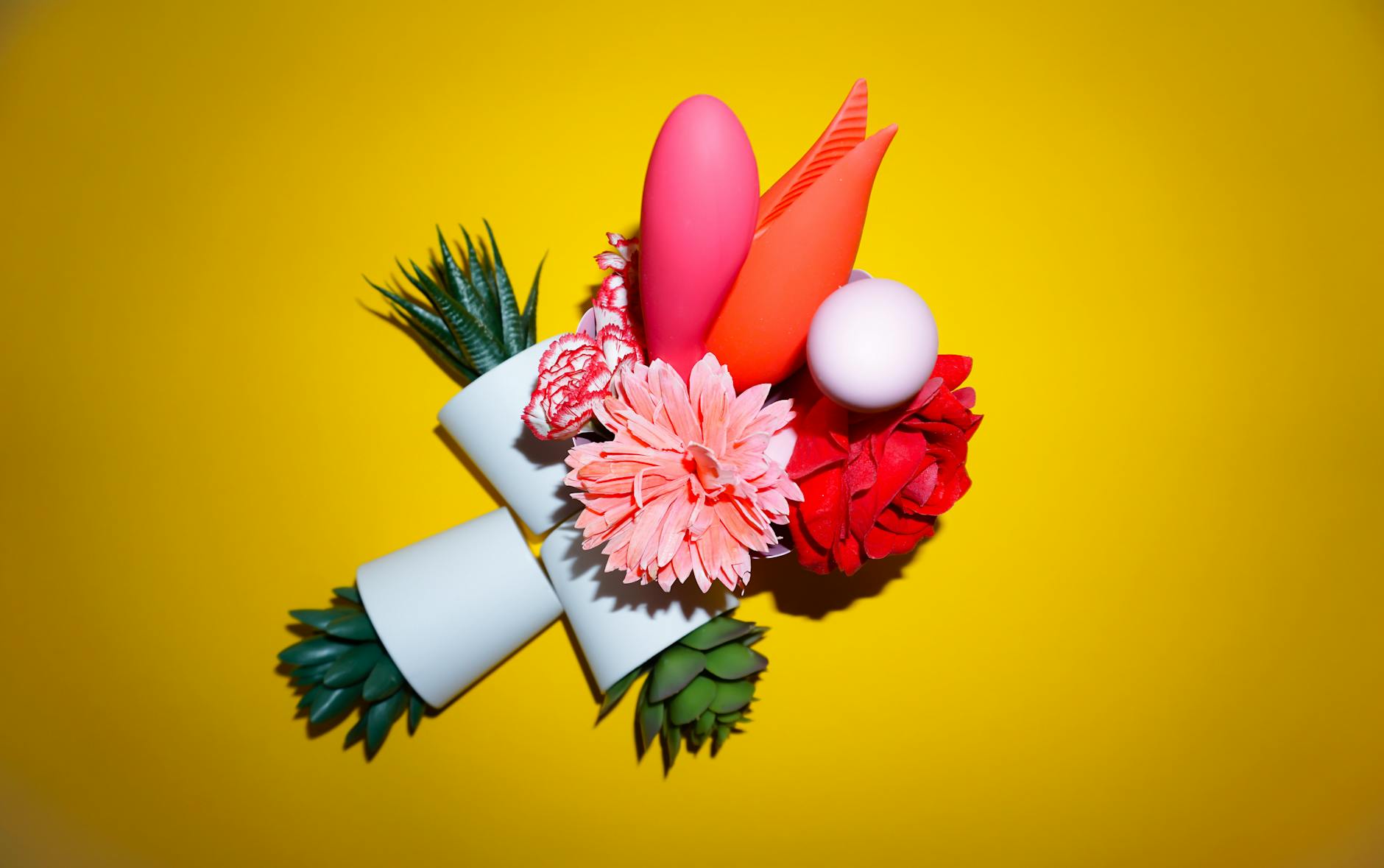
Let's talk about pain nobody mentions
Arousal hurts sometimes. Not in the way society tells you pain should be romantic or edgy. Not the kind of soreness you walk off. Sharp, crampy, burning, or radiating pain that makes you want to stop before you start. The kind that sits quietly in your body and makes you hesitate the next time intimacy comes up.
Here's the thing: this is fixable. But first you have to know what's actually happening.
Why arousal pain happens (and it's not always what you think)
Pain during sexual arousal can signal five different root causes. Most people lump them all together and assume they're broken. They're not.
Pelvic floor tension (the most common culprit). Your pelvic floor muscles can hold stress like your shoulders hold tension from a bad day at work. When they're chronically tight, arousal stimulates them and you feel a pulling, aching sensation. This isn't weakness. It's the opposite. Your muscles are clenched so tight they can't relax into pleasure.
Vaginal dryness without enough lubrication. Even with plenty of water-based lube, some bodies don't produce the same natural lubrication they once did. Hormonal shifts (birth control, perimenopause, medications), stress, and dehydration all play a role. When tissue is too dry, friction creates burning sensations.
Vaginismus or vulvodynia. Vaginismus is involuntary muscle tightening in response to anticipated penetration or touch. Vulvodynia is chronic pain in the vulva that shows up with no obvious tissue damage. Both are real, both are treatable, and both often improve dramatically with the right professional support.
Endometriosis or other pelvic conditions. If pain spikes around your cycle, localizes to one side, or feels deep inside, internal pelvic conditions might be at play. These need medical evaluation.
Psychological tension masquerading as physical pain. Anxiety, past relationship hurt, or buried resentment can genuinely create muscle tension that registers as physical discomfort. Your nervous system isn't lying. It's just speaking in body language.
The lemon vibrator approach to pleasure without pain
A lemon clitoral vibrator like the Lem works differently than traditional vibrators, and that difference matters when arousal feels uncomfortable.
Most vibrators use percussion or buzzing. This is direct mechanical stimulation that, when tissue is already tense or sensitive, can feel overwhelming or painful. Lemon suction technology (air-pulse stimulation) works through rhythmic suction and release rather than direct vibration. Think of it less like a jackhammer and more like a gentle wave.
Why this matters for pain: suction stimulation is gentler on sensitive tissue. It doesn't require the same level of direct friction that can aggravate vulvodynia or vaginismus. You're also in control of intensity with a wider range of pattern options, so you can start at a whisper and build at your own pace.
How to actually use a lemon clitoral vibrator when it hurts
Start before you think you're ready. Use the Lem on the lowest setting, outside your clothes if you need to, just to get your nervous system used to the sensation. This isn't "foreplay" in the traditional sense. It's nervous system desensitization.
Budget 20 to 40 minutes for the first session. Arousal that includes pain history needs time to shift. Your body is used to tensing up. You're teaching it that touch can feel good instead of threatening. Rushing this defeats the purpose.
Breathwork matters more than you think. A lot of pelvic floor tension lives in shallow breathing. Before you even touch yourself, spend three minutes on deep, slow exhales. This activates your parasympathetic nervous system. Your pelvic floor follows your breath patterns. Slow breath means loose muscles.
Use plenty of water-based lubricant. Even if your body produces natural lubrication, adding more creates a buffer between the Lem and your tissue. This reduces friction intensity and makes the experience feel less intense.
Pay attention to where you feel the most discomfort. If pain is localized to one side or very specific to depth, stop and see a pelvic floor physical therapist or gynecologist. You might have endometriosis, scar tissue, or another condition that needs professional attention before any vibrator will feel good.
The pelvic floor recovery piece
If your pain stems from pelvic floor tension (the most common scenario), a lemon clitoral vibrator alone isn't the full answer. You need to combine it with pelvic floor relaxation work.
Here's the counterintuitive part: kegels often make this worse. Kegels strengthen muscles that are already overworking. What you actually need is the opposite movement. Pelvic floor relaxation exercises, sometimes called reverse kegels, teach your muscles to let go.
A pelvic floor physical therapist can guide you through this. Until you can see one, try this: place two fingers inside your vagina and gently press down and out. Breathe slowly and imagine your pelvic floor dropping like an elevator descending. Hold for 5 to 10 seconds. Release. Repeat 8 to 10 times daily.
Combine this with your lemon vibrator sessions. The relaxation work teaches your muscles to release. The gentle suction stimulation rewards that release with pleasure. You're retraining your nervous system.
When pain signals something that needs a doctor
Pain that's severe, localized, worse around your cycle, or accompanied by bleeding during arousal needs medical attention. Same if pain showed up suddenly after years of comfort. These aren't signs you're broken. They're signs you have a specific condition that has a specific treatment.
A gynecologist who specializes in sexual health or pain can run tests, diagnose conditions like endometriosis or vestibulodynia, and create a treatment plan. Options include topical creams, physical therapy, hormonal adjustments, or procedures. Many people see major improvement within weeks.
Don't let shame keep you quiet. Your pain is data. Your doctor has heard this a thousand times.
The emotional piece (it's real)
When arousal has meant pain, your brain starts avoiding it. You stop initiating. You tense up before anything starts because you're bracing for discomfort. This happens so quietly that some people don't realize they're doing it until they try to relax and can't.
Recovering pleasure after pain means working both sides: the physical (pelvic floor relaxation, gentle stimulation, lube) and the psychological (building safety, patience, permission to go slow). This is why lemon vibrators work better in this context than just white-knuckling through pain. The Lem's gentleness creates an experience where your body can actually relax instead of defending.
Take your time. Your pleasure isn't on a deadline.
Common questions about pain and lemon vibrators
Can a lemon vibrator make pain worse if I use it wrong?
Yes, if you start at high intensity on sensitive tissue. That's why the approach here emphasizes starting low, using plenty of lube, and combining vibrator use with pelvic floor relaxation. The Lem is designed with gradual intensity options specifically so you can titrate sensation yourself.
How long does it take for pain to improve?
If the pain is pelvic floor tension, most people notice meaningful shifts within 2 to 4 weeks of consistent relaxation work plus gentle stimulation. If pain is caused by vulvodynia, vaginismus, or endometriosis, improvement depends on treatment. Pelvic floor physical therapy often produces results within 8 to 12 weeks, though some people feel better within days.
Is it normal to feel pain on one side but not the other?
Not quite. One-sided pain usually points to a specific issue like endometriosis, an ovarian cyst, or scar tissue. This is worth mentioning to your doctor. Generalized tension usually feels symmetrical.
Should I use a lemon vibrator if penetration is painful?
Yes. Clitoral stimulation using a lemon suction vibrator bypasses the penetration problem entirely while you work on the underlying issue. Many people find that building arousal and orgasm through clitoral play actually helps reduce penetration pain over time because the nervous system becomes less defensive.
What if relaxation techniques don't work?
If you've done pelvic floor relaxation consistently for 4 to 6 weeks without improvement, talk to a pelvic floor physical therapist. You might have a specific restriction that needs hands-on treatment. You might also need to address the psychological component with a therapist who specializes in sexual health or trauma.
Can I use other types of vibrators if clitoral stimulation hurts?
Lemon clitoral vibrators are designed to be gentler than traditional buzzers, which is why they work well for pain-sensitive bodies. If even the Lem feels too intense, that's actually valuable information. It suggests your nervous system needs more time to feel safe before any direct stimulation. Back up to external hand stimulation or clothing-over stimulation first.
Getting back to pleasure
Arousal pain isn't something to push through or accept as permanent. It's your body saying it needs a different approach. That approach might be pelvic floor relaxation, professional treatment for a specific condition, psychological work, or a gentle tool like a lemon clitoral vibrator that rewards you for going slow.
Your pleasure matters. So does your comfort. They're not mutually exclusive. It just takes patience and the right support to find your way back to both.
If you're struggling with pain during arousal, start by talking to your doctor or a pelvic floor physical therapist. Then explore this with tools designed to be gentle. You deserve arousal that feels good, not something you're enduring.
Want more guidance on rebuilding pleasure safely? Reach out to us or check out our piece on how to use a lemon vibrator when pelvic floor tension blocks arousal.