The twenty-minute warm-up is real
Let's start with what you've probably already noticed: things take longer now. That five-minute preamble that used to work at thirty does nothing at forty-two. Your body isn't cooperating the way it used to, and the frustration is real because you're not actually less interested in pleasure. You're just experiencing it on a different timeline.
This is not a personal failing. This is neurology and biology doing exactly what they're supposed to do with age, and understanding the mechanics helps you stop blaming yourself and start using tools that actually match how your body works right now.
Why arousal slows (and it's not what you think)
Two systems control arousal: the accelerator (the sympathetic nervous system that revs you up) and the brake (the parasympathetic system that creates space for pleasure). In your twenties and thirties, the accelerator is hair-trigger sensitive. A thought, a touch, a moment of attention and you're off. The brake barely has to work.
By your forties, something shifts. It's not that the accelerator is broken. It's that both systems are now operating at a more measured pace. This is partly hormonal. Estrogen and testosterone, which peak in your reproductive years, gradually decline. These hormones prime the nervous system for quick response. With less of them circulating, your body's baseline setting changes.
But it's not just hormones. Your brain is also more cautious. You've accumulated more life. More stress, more responsibilities, more reasons to stay partially alert even when you're trying to be present. The mental load of switching off takes time. Your body needs more permission, literally more neural space, before it can drop into pleasure mode.
This is why the old shortcut doesn't work anymore. You need a longer approach, but also a smarter approach, one that works with how your nervous system actually functions now.
The four phases of arousal are now on a different timeline
Sex therapists talk about four phases: desire, arousal, orgasm, resolution. Those phases haven't disappeared for you. They've just stretched.
Desire used to arrive spontaneously. Now it often needs scaffolding. A conversation, an intention set earlier in the day, permission to take time. The desire phase might take five to fifteen minutes just to establish.
Arousal is where most people get stuck. This is the phase where blood flows to your genitals, your clitoris swells, lubrication increases, and your body prepares for pleasure. At forty, this phase can take fifteen to thirty minutes instead of five. Your clitoris needs sustained, consistent input to fully engorge. Quicksilver responses to light touch don't cut it anymore.
Orgasm remains possible and often intensely satisfying, but again, it usually requires more sustained stimulation than before.
Resolution takes longer too, which some people love (a longer afterglow) and others find frustrating if they're rushing.
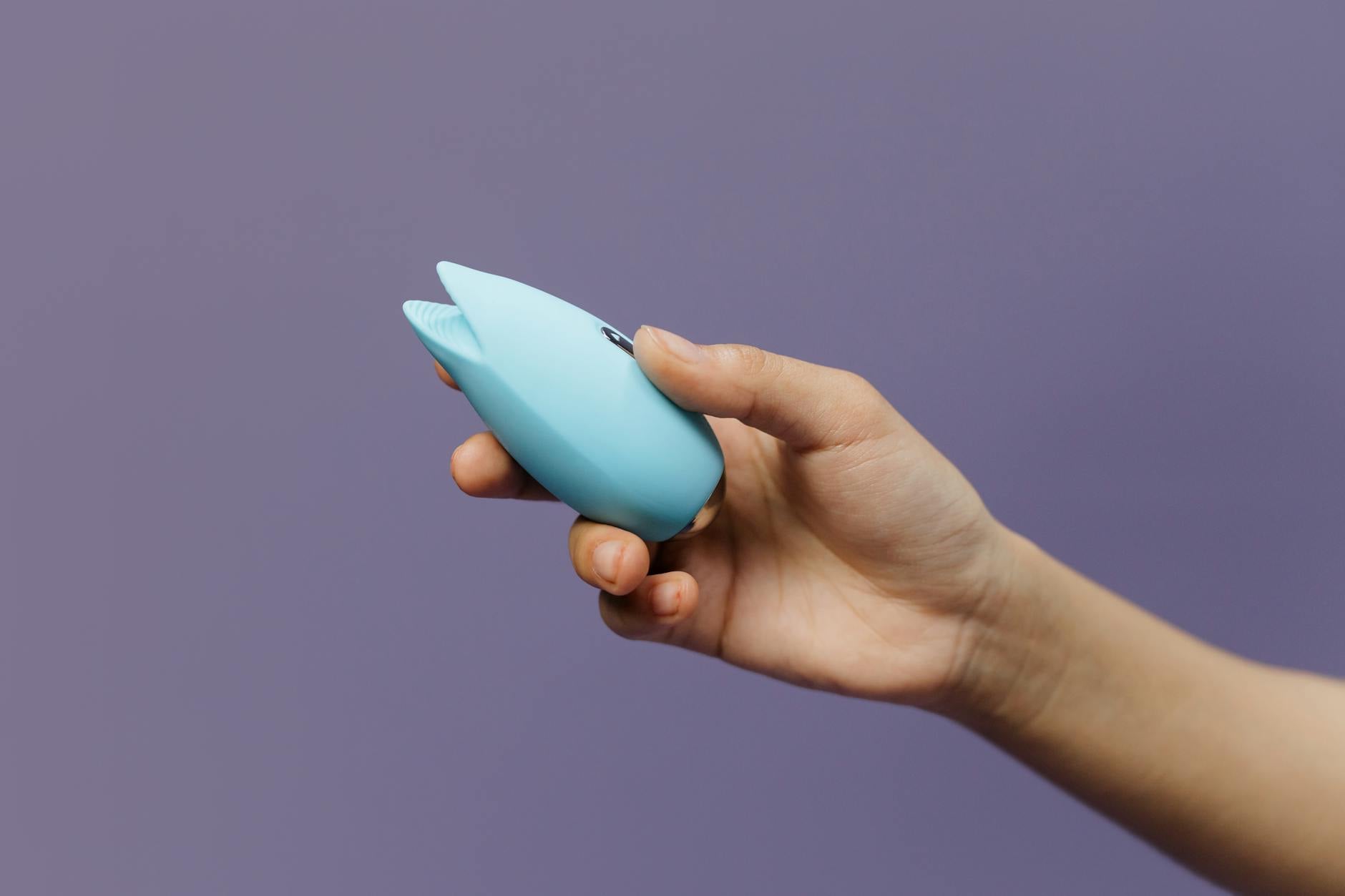
The lemon clitoral vibrator is specifically engineered for phase two. It provides sustained, focused stimulation that builds gradually. Unlike manual touch, which your partner might inadvertently lighten or shift, a vibrator maintains steady pressure and rhythm. This consistency is what allows your nervous system to relax enough to let arousal build.
Lubrication shifts, and that's not a signal to give up
Vaginal lubrication often decreases with age, even if you're not in menopause yet. This happens because tissues become thinner and less vascular as estrogen declines. You might notice that natural lubrication comes more slowly or in smaller amounts.
Here's what this actually means: your body is not broken. It means you need external lubrication, which is not a compromise. It's a tool.
Water-based lube is your friend here. It replicates natural lubrication without the latex-unfriendly properties of silicone, and it washes off easily. The lem vibrator works beautifully with water-based lube because the suction-based design doesn't rely on friction. You're not rubbing. You're creating gentle pressure waves, which means you need less lube and can adjust based on comfort.
Many people find that once they're properly lubricated, arousal actually progresses faster because there's no friction discomfort interrupting the building sensation. The body can relax and focus on pleasure.
Why suction beats friction for older bodies
There's a reason lemon suction-style vibrators are becoming a go-to for people over forty. Traditional vibrators use oscillation or rotation. They're essentially rubbing the clitoris. This works fine if your tissues are thick and resilient, but as tissues thin with age, friction stimulation can feel intense quickly, sometimes uncomfortably so.
Suction-based stimulation like the lemon vibrator works differently. It creates gentle pressure waves that stimulate the entire clitoral complex. not just the surface. Because the mechanism is suction rather than friction, you can use lower intensity levels and still build arousal steadily. You're not fighting against discomfort. You're working with it.
For slower arousal, this matters because you can start at a genuinely comfortable level and stay there for the fifteen to twenty minutes your body now needs. The intensity can be lower, the time can be longer, and the stimulation feels almost meditative rather than aggressive.
The mental piece is as important as the physical one
Physically, you need time and the right tool. Mentally, you need permission to slow down.
Many people in their forties carry a narrative that quick arousal is "normal" and slow arousal is "broken." You're comparing your current body to a younger version and deciding it's failing. It's not. It's changing. And the speed change is often accompanied by a depth change that most people find far more satisfying once they stop resisting it.
Setting aside twenty or thirty minutes specifically for pleasure does two things. First, it gives your nervous system actual time to transition from alert mode to pleasure mode. Second, it creates permission. You're not squeezing this in. You're marking it as important. That mental shift is huge.
If you have a partner, this conversation matters. "I need more time to warm up now" is not a complaint. It's information. Partners often rush because they're nervous or because they assume quicker is better. Telling them explicitly that you need a longer arousal phase actually relieves pressure on both sides. They're not failing to turn you on. You're not failing to respond. You're both just working with a different timeline now.
Practical steps for using a lemon vibrator when arousal is slow
Start earlier than you think you need to. If you're planning a partnered encounter, begin touching or talking about it an hour or two before. This gives your mind time to shift.
Use lube generously. Not because you're dry, but because it removes any friction discomfort and lets you focus entirely on sensation.
Begin at the lowest intensity. The lem vibrator's lowest settings are designed to create gentle, sustained stimulation. Stay there for five to ten minutes. Your body will tell you when you're ready to increase.
Create a quiet environment. More mental space means faster arousal. Put the phone away. Dim the lights. Remove things that demand your attention.
Focus on the sensation itself, not on reaching a destination. This slows the brain chatter that keeps the brake engaged. If you're thinking about whether you're taking too long, you're taking longer. If you're just feeling, arousal builds naturally.
Be consistent. The more you use a clitoral vibrator, the more responsive your body becomes to it. Your nervous system learns the pattern. By your third or fourth time, you'll likely notice arousal building faster.
What changes with consistent practice
Here's something most people don't realize: slow arousal becomes less of an issue the more you use the right tool regularly. Your nervous system adapts. Pathways strengthen. After three or four sessions with consistent stimulation, many people find that arousal time shortens noticeably, even though it's still longer than it was in their thirties.
This is also why solo practice matters. When exploring solo pleasure for the first time, you're learning your own timeline without pressure. You're mapping what works for you right now. That information makes partnered sex smoother because you already know what you need.
Additionally, many people find that when sensation feels muted in your forties, sustained vibration actually sharpens sensation over time. The brain becomes more attuned to the stimulus. Pleasure intensifies.
When slowness might signal something else
Slower arousal is normal with age. But if arousal has essentially disappeared, that's worth investigating. Sometimes it's stress. Sometimes it's a medication side effect. Sometimes it's disconnection in the relationship that needs attention.
If you're experiencing zero desire even in low-stress moments, or if arousal is painful rather than slow, talk to a doctor or a therapist who specializes in sexuality. A lemon vibrator is a tool for building on arousal that exists. It's not a solution for absent desire, and pretending it is just adds frustration.
But if your arousal is present and just slower than it used to be, that's not a problem. That's just how your body works now. And working with it, rather than against it, changes everything.
Common questions about slower arousal and vibrators
Will using a vibrator make arousal even slower? The opposite is true. Consistent stimulation with the right tool (like a lemon clitoral vibrator designed for sustained, gentle pressure) actually trains your nervous system to respond more readily. You're not creating dependency. You're creating familiarity.
Is twenty minutes of warm-up normal now? Yes. By your forties, fifteen to thirty minutes of arousal building is completely standard. It's not a sign something is wrong. It's how your nervous system now operates. The good news is that once arousal is built, orgasms are often more intense than they were in your twenties.
Should I use my lemon vibrator during the entire arousal phase? Not necessarily. Some people use light touch or partnered stimulation to build initial arousal, then bring in the vibrator when they're already somewhat engaged. Others use the vibrator from the beginning. Your body will tell you what works. The vibrator is flexible enough to fit into whatever approach you're developing.
Does slower arousal mean less pleasurable orgasms? No. Many people report that slower arousal actually leads to more intense, full-body orgasms. The longer build creates more neural activation. The orgasm itself becomes more textured and satisfying.
If my partner is ready faster than I am, what do we do? Separate the timelines. Your partner can have arousal and even orgasm happen independently of yours. This removes pressure from both of you. They can come, rest, then be present for your arousal phase without rushing. It's counterintuitive but far less stressful than trying to synchronize.
Can hormonal changes make arousal slower? Yes. Declining estrogen and testosterone both slow arousal. If you're also experiencing other symptoms like hot flashes or mood shifts, talk to a doctor about what's happening hormonally. Sometimes addressing the hormone picture directly helps with arousal. Sometimes the right tool plus time is the answer.
Is there anything that speeds up arousal after forty? Time, consistency, and the right tool help. So does addressing stress and getting sleep. Medications can sometimes slow arousal, so if you're on something new and noticed a shift, mention it to your doctor. But be realistic: your body isn't going back to quicksilver response, and it doesn't need to. Slower arousal with the right support often feels better than the rushed version ever did.
The thing about forty and beyond
Your forties are when you stop apologizing for how your body works and start using tools that actually fit that reality. A lemon vibrator isn't a workaround for aging. It's a match for where you are. Slower arousal isn't a problem to fix. It's information about how to have better pleasure now.
The bonus: this is often when pleasure actually gets good. You know your body. You're less concerned with performance. You have time. And when you pair that with a tool designed for sustained, gradual stimulation, you're not fighting biology. You're finally working with it.