How to Use a Lemon Vibrator When Your Clitoris Feels Less Responsive With Age
Your clitoris isn't broken. It's just responding to real physiological shifts. Here's what changes, why it happens, and how the right tool makes all the difference.
Your clitoris doesn't lose the ability to feel pleasure as you age. But it does change how it responds to stimulation. And yeah, that shift can feel frustrating, especially if you've spent decades knowing exactly what works. The good news is that once you understand what's actually happening, you've got real options.
The most common complaint I hear from people in their 40s, 50s, and beyond is this: "It takes longer. It feels duller. Sometimes I can barely feel anything at all." That's not a sign of broken wiring. That's aging, and it's wildly fixable.
Three things happen as you get older, and understanding each one changes how you approach stimulation.
First, the skin around your clitoris gets thinner. This sounds minor until you realize that thin skin is more sensitive to some types of touch and less responsive to others. Direct, firm pressure that worked perfectly at 30 can feel either overwhelming or numb at 55.
Second, blood flow changes. Your clitoris engorges less quickly during arousal. That engorgement is what makes sensation sharper, and without it, stimulation can feel muffled. This happens to everyone, but it's more noticeable as estrogen levels shift. And yes, this applies whether you've gone through menopause or not.
Third, nerve sensitivity patterns shift. Your clitoris still has the same nerve density, but the way those nerves fire has changed. Some people describe it as needing "more oomph" to feel anything. Others say sensation is present but delayed. Both are normal.
Here's what's important: none of this means your capacity for pleasure is gone. It means the pathway to get there has shifted. And that's where a lemon clitoral vibrator enters the picture.
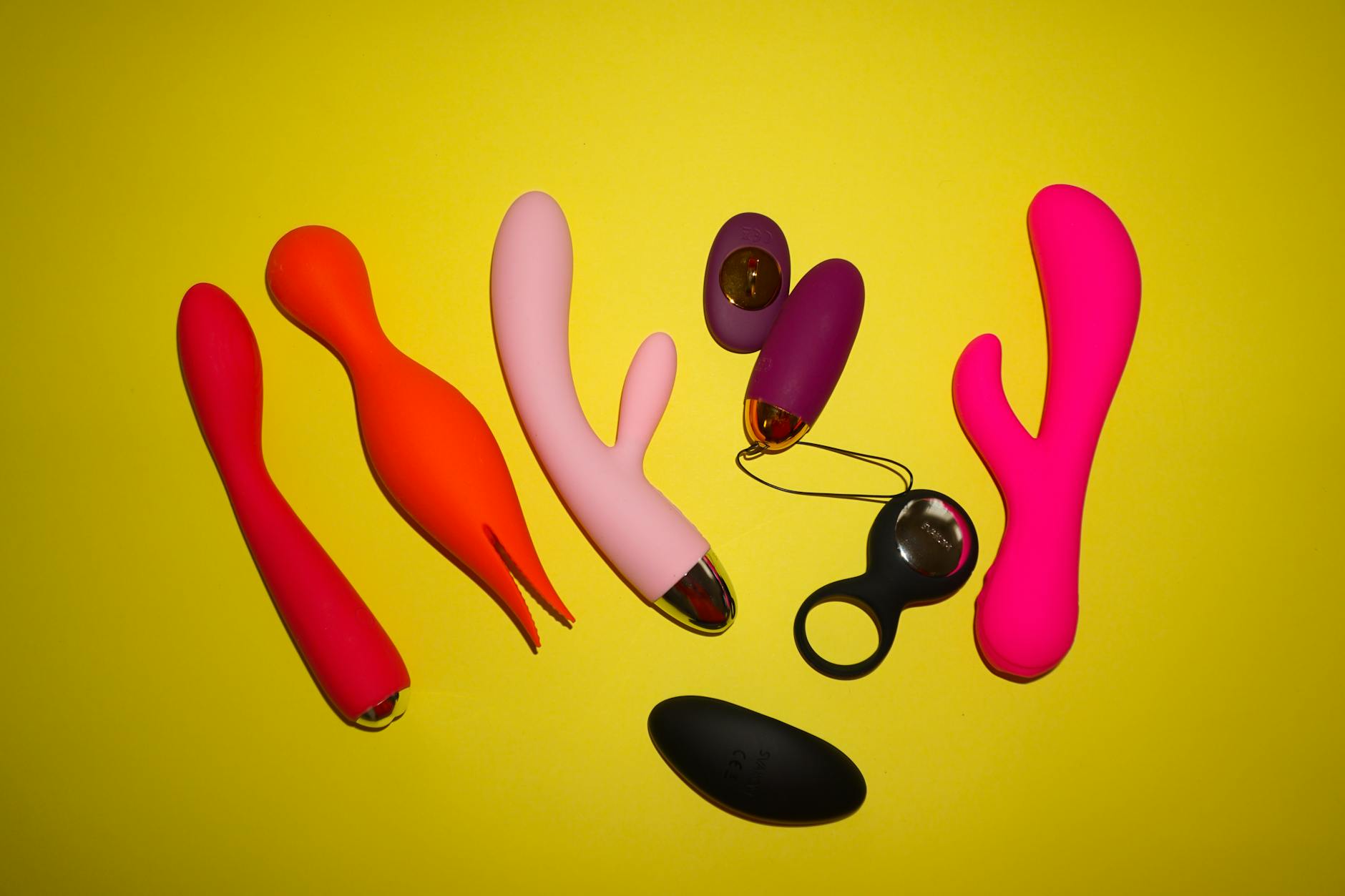
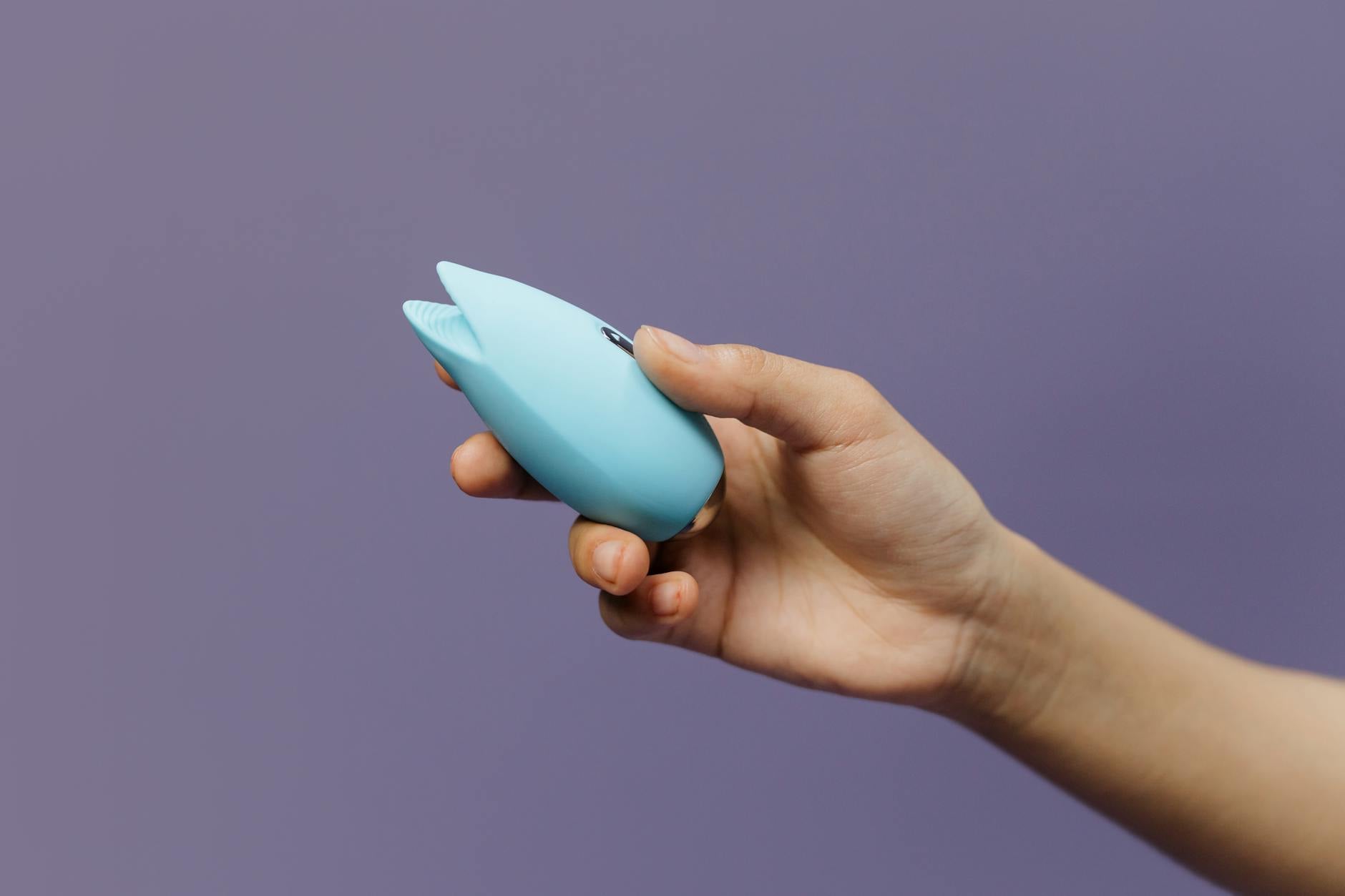
A traditional vibrator moves side to side or up and down. A lemon vibrator (also called a lemon sucker or lemon clitoral vibrator) uses suction combined with gentle pulsation. This matters enormously for aging clitorises.
With suction, you're not relying on friction or direct pressure. You're creating a change in pressure that stimulates nerves in a way that side-to-side vibration alone can't match. For people experiencing reduced responsiveness, this often feels more intense and more effective.
Lemon vibrators like the Lem work through a different mechanism than standard clitoral vibrators. Instead of trying to overcome decreased sensitivity with brute force, they engage different nerve pathways. Many of my clients report that suction stimulation feels "wakes up" their clitoris in a way previous toys never did.
The pattern options matter here too. Most lemon adult toys offer 5-10 intensity levels and several pulse patterns. At 35, you might have gone straight to level 9. At 55, you might find level 3 with a slow pulse pattern creates more sensation than level 9 ever did.
If your clitoris has felt unresponsive for a while, there's often hesitation about trying again. You've had experiences that felt disappointing, and your brain has learned to protect itself from that. That's totally normal.
Start with curiosity, not pressure. Use a lemon clitoral vibrator on the lowest setting, longest pulse pattern, for maybe 30 seconds at a time. You're not trying to orgasm. You're reacquainting your nervous system with sensation in a gentle way.
Lubrication matters more than you might think. Use a water-based lubricant around the edges of your clitoris, even if you produce natural lubrication. This helps the suction seal and makes the sensation more pronounced. It also removes friction from the equation, which can feel gentler on thin or sensitive skin.
Timing matters too. Arousal takes longer as you age, full stop. If you've been giving yourself 5 minutes to warm up, try 15. This isn't a failure. This is just physiology. When your clitoris is more engorged and your nervous system is more activated, the same lemon vibrator will feel dramatically different.
It's not all about the tool. Your environment, your stress level, and your mental state affect clitoral responsiveness as much as blood flow does.
Create actual stillness before you use a lemon clitoral vibrator. Not just "quiet," but a state where your brain isn't running a to-do list in the background. Two minutes of intentional breathing. Noticing what your body feels like right now. This primes your nervous system to actually register sensation.
Reduce the pressure. If you're in a relationship, this might mean having a conversation with your partner about what you're exploring. Not as a performance issue, but as a "my body is changing and I want to figure out what feels good now" conversation. Removing the expectation to orgasm quickly changes everything.
Experiment with positioning. Some people find that lying on their back with a pillow under their hips changes how sensation registers. Others prefer a different angle entirely. Your clitoris's responsiveness might be tied to positioning in ways it wasn't before.
If you're with a partner, introducing a lemon vibrator can actually deepen intimacy if it's framed right. It's not about your partner not being enough. It's about your body changing and wanting to explore what works now.
My advice: use it on your own first. Understand what patterns, what intensities, what rhythm creates sensation for you. Then, show your partner if you want to. "This is what I discovered feels good" is a completely different conversation than "I need you to do something different."
For people in long-term relationships where how to use a lemon vibrator during midlife relationship reconnection is already a conversation, adding a lemon sucker into partnered play can actually restore responsiveness faster. Your partner's touch plus the lemon vibrator creates a type of stimulation neither could alone.
If your partner has lower sex drive, having your own lemon clitoral vibrator also means you're not waiting for them to feel like initiating. Your pleasure becomes independent, which paradoxically often makes partnered sex feel better to both people.
Resensitizing a less responsive clitoris takes time. Not months, usually. But maybe weeks. You're essentially rewiring the feedback loop between your nervous system and this part of your body.
Don't expect it to feel how it felt at 25. It'll feel different. Different isn't bad. Often it's richer, more localized, sometimes more intense because you're not flooded with the distraction of everything else happening hormonally.
If after three weeks of gentle, regular exploration with a lemon vibrator you're feeling genuinely nothing, that's worth checking in with your doctor about. Medications, hormonal changes, and circulatory issues can all affect clitoral responsiveness, and some of those are worth addressing directly.
One day you'll notice your clitoris responding faster. You'll feel engorgement happening. The sensations will start to sharpen. That moment is worth noticing and celebrating, even quietly.
The lemon vibrator doesn't make you young again. It gives your aging body a tool designed for how sensation actually works now. That's the whole point.
Blood flow to your genitals decreases with age, clitoral tissue thins, and nerve sensitivity patterns shift. This happens to almost everyone over time. It's not a flaw or a sign something is broken. It's just how bodies change.
For many people, yes. Air-suction stimulation engages different nerve pathways than side-to-side vibration. Because you're working through pressure changes rather than friction, it often feels more intense and effective for people experiencing reduced clitoral responsiveness. But everyone's different, so it's worth trying.
Most people notice improvement within 2-3 weeks of gentle, regular use. Some people feel shifts within days. It depends on what's causing the reduced responsiveness. If it's purely physiological aging, resensitization is pretty quick. If it's medication-related or tied to hormonal shifts, it might take longer.
Yes, though daily use doesn't have to mean 30 minutes. Five minutes of gentle exploration daily often works better than longer, infrequent sessions. You're retraining your nervous system, and consistency matters more than intensity.
Absolutely. Water-based lubricant around the perimeter of your clitoris helps the suction seal and makes sensation more pronounced. It also removes friction from delicate, thinning tissue. Lubrication isn't a sign something is wrong. It's just smart setup.
They often go together, especially during hormonal transitions. How to use a lemon vibrator when you have vaginal dryness and lubrication issues covers this in depth, but the short answer is that external lubrication, a lemon vibrator's gentler stimulation method, and sometimes topical treatments from your doctor can all help.
Yes. Certain antidepressants, blood pressure medications, and hormonal birth control can all dampen clitoral sensation. If you suspect medication is involved, talk to your doctor about timing adjustments or alternatives. Don't stop taking medication, but do have the conversation.
Your clitoris isn't retiring. It's just operating under different conditions. A lemon clitoral vibrator, combined with patience and the right conditions, often restores responsiveness remarkably fast. You deserve pleasure that feels good now, not that used to feel good ten years ago. That's not settling. That's exactly how this should work.