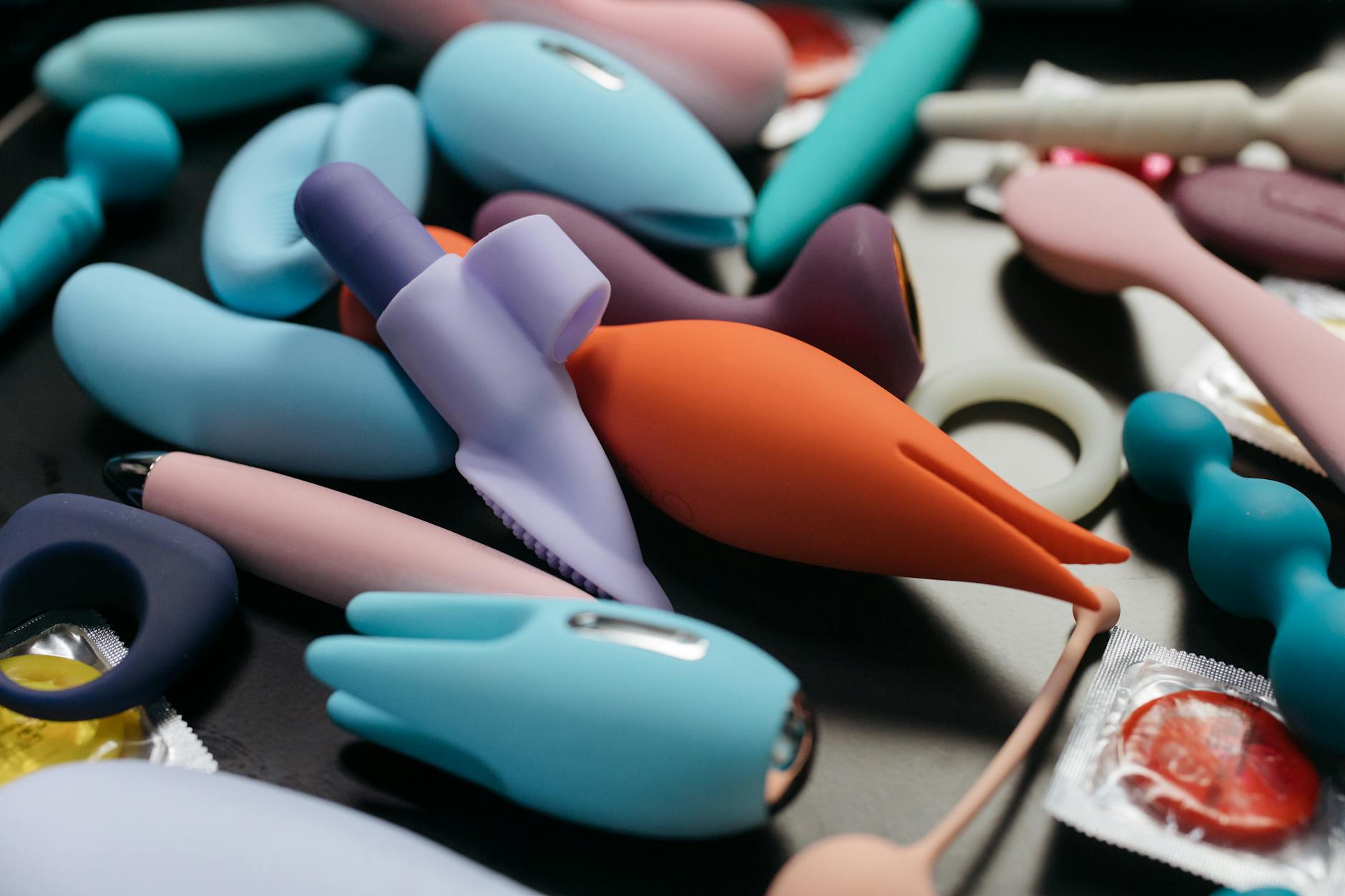
How to Use a Lemon Vibrator When Desire Returns After Depression Recovery
Your body is waking up again. Here's how to reconnect with pleasure safely, rebuild what depression stole, and explore clitoral pleasure when everything feels new.
Depression kills desire. Not metaphorically. Neurologically. The same chemicals that make you feel numb to everything else numb your capacity for arousal, orgasm, and the wanting that comes before both. So when that fog lifts, when the medication changes or therapy finally clicks or time just does its work, the return of desire can feel confusing. Is it really back? Will it stay? And what do you do with a body that's been asleep for months or years?
I work with people navigating this transition constantly. The physical sensation of returning libido is real, but it's often wrapped up with emotional vulnerability, trust in your own body again, and sometimes grief for the time that was lost. A tool like the Lem can help. But you need to approach it carefully, with intention, because your nervous system is still learning that it's safe to want.
Depression rewires arousal pathways. Serotonin drops. Dopamine drops. The neurological cascade that starts with desire gets interrupted at every step. Some antidepressants (especially SSRIs) compound this by dampening the very neurotransmitters that drive sexual response. So you weren't being prudish or broken. Your brain was chemically incapable of the chain reaction pleasure requires.
Now that that's changing, here's what matters: your nervous system hasn't caught up yet. Arousal isn't a switch you flip on and off. It's a slow climb, and after months of flatness, even small sensations can feel overwhelming. You might feel aroused but not feel entitled to it. You might have a moment of desire and immediately feel guilty, or afraid it will disappear again. All of that is normal. Your body is learning to trust itself again.
Don't make it a mission. This is critical. No pressure to orgasm, no pressure to feel anything specific, no pressure to prove that you're "back to normal." Normal might look different now, and that's okay.
Start solo. Partner sex is wonderful, but solo exploration first gives you permission to move slowly, stop whenever you want, and learn what your body is actually asking for without the cognitive load of someone else's presence. This matters.
Set maybe 20 minutes aside. Quiet room, no phone, no rushing. Use the Lem on the lowest setting. Suction stimulation like the Lem does is gentler than traditional vibration because it doesn't rely on high-speed friction. After months of numbness, that gentleness is your friend. You're not trying to overwhelm sensation back into existence. You're inviting it in.
Start with the suction cup against your inner thigh or labia before you move to direct clitoral contact. Let your body warm up. You might feel a flutter of arousal that surprises you. You might feel nothing. Both are fine. The goal right now is reconnection, not performance.
Your clitoris didn't go anywhere, but the nerve endings have been quiet for a long time. They're not dead. But they do need gentle reactivation. Think of it like physical therapy for pleasure.
For the first week or two, keep it short. Five to ten minutes of exploration. Rotate through the Lem's settings if you have it. Level 1 and 2 are your friends. If you feel a spark of arousal, let it happen without grabbing at it. Arousal that comes back after depression is fragile sometimes. It needs safety.
You might find that certain textures or pressures feel better than others. You might discover that what used to work doesn't anymore. That's not failure. Bodies change, especially bodies coming out of depression. Your nervous system rewires. Your hormone levels shift. Your preferences can shift too. This is information, not failure.
After a few weeks of gentle exploration, you can start to layer in a bit more intensity if you want to. Longer sessions. Higher settings. But move at your body's pace, not at some imagined deadline. There's no timeline for this.
If someone is in your life, the conversation matters more than the tool. Before you introduce a lemon clitoral vibrator or any device, tell them what's happening inside you. Not all the medical details, but the emotional truth: you're reconnecting with desire. It might feel fragile. You might need patience. You might need them to understand that this isn't about them or your attraction to them. It's about you coming back to yourself.
The best partners will be relieved. They might have been waiting for this too. You might even use the vibrator together. You might use it solo and then reconnect with them afterward. You might discover that you want something different from sex now than you did before depression. All of that is a conversation worth having.
What doesn't work: introducing the Lem as a surprise, or as proof that you're fixed now, or as a way to perform arousal you don't actually feel. Your partner doesn't need proof. They need honesty.
Here's what nobody talks about enough: reconnecting with desire after depression isn't just physical. It's emotional. Your body was protecting you by going numb. Now it's being asked to be vulnerable again. That can bring up grief, fear, or complicated gratitude. You might feel angry at the time you lost. You might feel afraid that numbness will come back. You might feel guilty for having desire at all.
A tool like the Lem can help your body remember what pleasure feels like. But it's not going to process the emotional weight. That's worth doing separately, ideally with a therapist or a trusted partner. Pleasure returns fastest when you're not carrying shame about wanting it.
One more thing: rebuilding arousal takes longer than medication does. If you've been on antidepressants, your baseline might be different even after you come off them. That doesn't mean something's wrong. It means your brain is still recalibrating. Weeks. Months sometimes. That's normal.
Start with solo exploration first. No audience. No timeline. No pressure. You're not trying to achieve anything except to be present with your own body.
Use water-based lube even if you don't think you need it. After numbness, the neurological response to stimulation can take time to build. Lube makes that easier and feels better on sensitized tissue.
Keep the Lem on low settings for at least the first few weeks. You're not trying to shock sensation back. You're coaxing it gently. The suction of the Lem is intense enough at level 1. Trust that.
If you're on antidepressants still, know that some medications make orgasm harder. If that's you, talk to your doctor. Sometimes switching medications or adjusting timing helps. You don't have to accept that as permanent.
There's no standard timeline. Some people feel shifts within weeks of their mood lifting. Others take months. It depends on how long you were depressed, what medication you're on, and how your individual neurobiology responds. The important thing isn't speed. It's gentle, consistent reconnection without pressure. Your body will tell you when it's ready.
Very normal. Depression often carries shame with it. You might have internalized the idea that you don't deserve pleasure, or that pleasure is somehow frivolous. Reconnecting with desire can trigger that shame response even after your mood lifts. That's not a sign that something's wrong with you. It's a sign that you might benefit from working with a therapist on the emotional side of recovery, separate from the physical reconnection.
Then you stop and try again another day. Pressure to feel something is the fastest way to shut arousal down. Your nervous system is learning that it's safe to respond again. That takes time. If weeks go by with no shift at all, check in with your doctor. Sometimes medication adjustments help. Sometimes it's just a longer timeline than you'd like.
Absolutely. Some antidepressants make orgasm harder, but they don't make pleasure impossible. You might need to give yourself more time, use the Lem on lower settings, or explore different patterns of stimulation. A suction-based vibrator like the Lem is gentler than traditional vibration, which can help. If your medication is significantly affecting your sexual response, talk to your doctor. There are options.
That's called a "false start" in the recovery literature, and it happens a lot. Your nervous system is still learning to trust itself. Arousal might spike and then your brain pulls back out of fear or habit. This doesn't mean you're broken again. It means your nervous system is still settling. Keep exploring gently. Over time, those moments of arousal will get longer and more stable.
Alone first if you can. Solo exploration lets you reconnect with your own desire without the pressure of someone else's presence. You can move at your pace, stop whenever you want, and rebuild trust in your own body. Once you feel comfortable with your own arousal, bringing a partner in is wonderful. But the foundation matters.
Your body coming back online after depression isn't a performance. It's not something you have to prove or rush or optimize. It's a slow, sometimes messy, deeply human process of learning to want again after being numb. A tool like the Lem can support that. Therapy can support that. Patience with yourself supports that.
If you want to explore pleasure on your own terms, with your own timeline, and with genuine care for what your nervous system needs right now, that's exactly what you should do. Welcome back. Your body's been waiting for you.