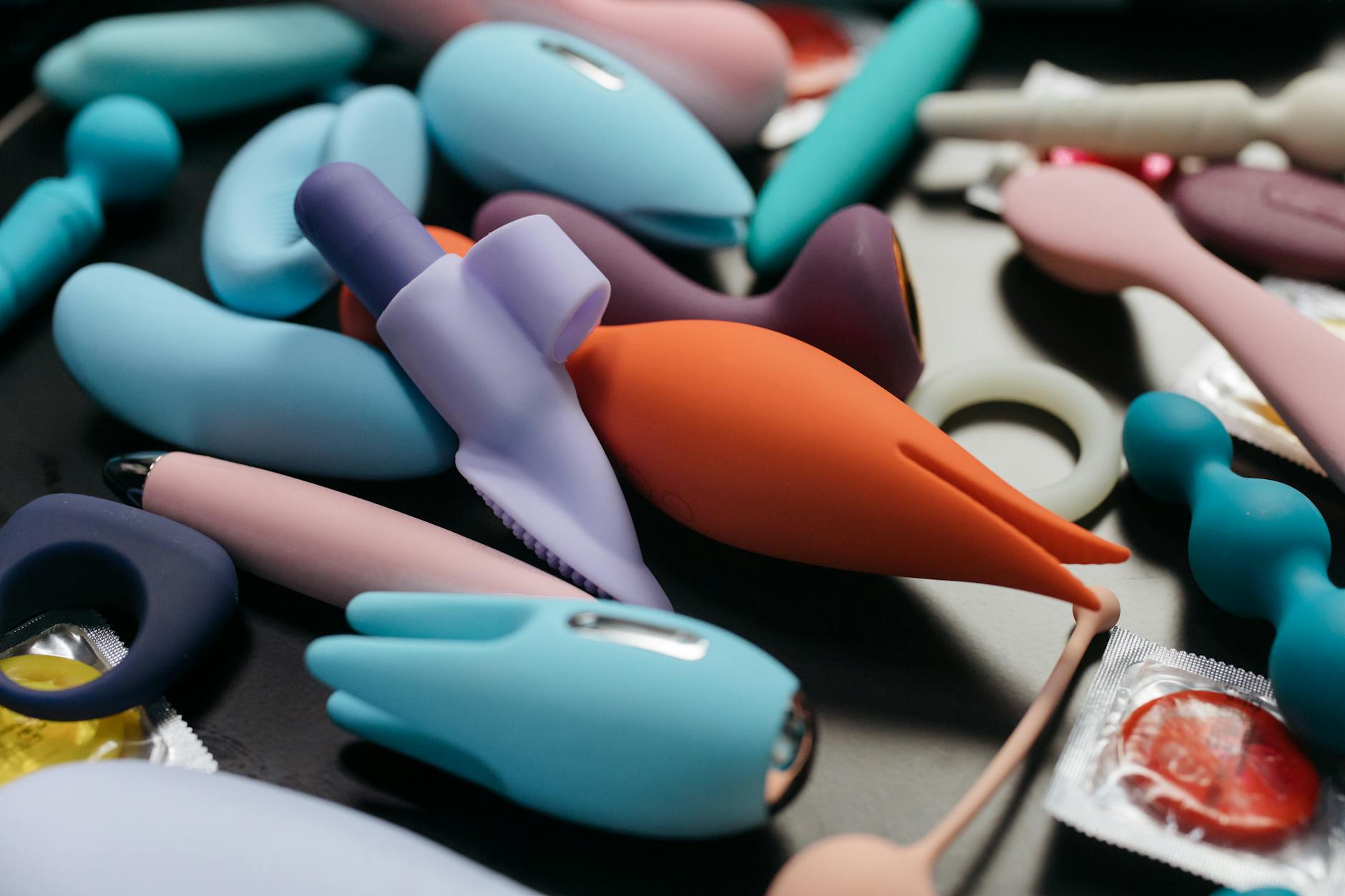
How to Use a Lemon Vibrator When Rebuilding Sensation After Numbness
Let's be real. When sensation goes numb, it feels like it's gone forever. You touch your skin and feel almost nothing. Your partner touches you and it's like they're a ghost. A kiss that used to light you up lands flat. It's not about desire fading. It's about the hardware glitching.
Numbness after illness, certain medications, or aging changes the game completely. But here's what most people don't know: numbness isn't permanent, and the tools to rebuild sensation exist. A lemon clitoral vibrator isn't a fix-all, but it's one of the most effective ways to wake up nerves that have gone quiet.
I work with people in this exact situation regularly. What I've learned is that rebuilding sensation takes strategy, patience, and understanding what's actually happening in your nervous system.
Why numbness happens in the first place
Sensation depends on three things: nerves firing, blood flow, and your brain paying attention. When any of those pieces breaks, you feel like you're touching the world through a thick blanket.
Medications are the biggest culprit. Antidepressants, blood pressure drugs, antihistamines, and some diabetes meds can all dampen nerve signaling. COVID long-haul patients report this frequently. Chemotherapy damages nerves directly. Diabetes causes neuropathy. Fibromyalgia creates a confusing mixed signal: sometimes hypersensitivity, often numbness in random patches.
Aging itself changes sensation. Your skin gets thinner. Blood vessels become less responsive. The density of nerve endings shifts, especially after menopause or in your sixties and beyond. This isn't weakness. It's just how bodies age.
The psychological layer matters too. When you've been numb for months, your brain actually stops expecting sensation. It's a protective thing. Your nervous system basically shrugs and stops sending the signal that pleasure is even possible. This is why simply having a partner touch you more gently, more often, doesn't usually work. Your system needs novelty and intensity to wake up.
What sensation actually needs to come back online
Three things rebuild numbness: targeted stimulation, consistency, and a progressive increase in intensity.
Targeted stimulation means direct, focused pressure on highly innervated areas. The clitoris has around 8,000 nerve endings. The vulva is packed with touch receptors. When sensation is numb, you need stimulation there because those nerves are your body's best shot at waking up. This is exactly why a lemon clitoral vibrator works so well. The suction mechanism of a lemon vibrator creates a unique kind of stimulation that's neither traditional vibration nor direct pressure. It's somewhere in between, which makes it incredibly effective for people who've lost sensation because it doesn't rely on you feeling individual vibrations. The suction engages the whole area and builds arousal through a different pathway.
Consistency means doing this regularly, not once. Your nervous system needs repetition to re-establish its signal pathways. Think of it like physical therapy for your nerves. Missing days or weeks sets you back.
Progressive intensity means starting low and building up. If you dive into high-intensity stimulation right away, you can overwhelm your system or frustrate yourself because you still won't feel much. Starting subtle and gradually increasing the intensity over weeks gives your nerves time to wake up without burning out.
How to actually rebuild sensation with a lemon vibrator
First, set a realistic timeline. Most people see the first signs of returning sensation in 2 to 4 weeks of consistent use. Full rebuilding often takes 8 to 12 weeks. Your mileage varies depending on what caused the numbness and whether you're still taking medications that dampen sensation.
Start solo. This matters because there's no pressure, no performance, and no distraction. You can focus entirely on what you're feeling. Alone, you can notice the micro-sensations that feel like nothing compared to what you remember but are actually signals that something's waking up.
Begin on the lowest setting of your lemon vibrator. Run it on the vulva, around the clitoris, not directly on the clitoris itself at first. Spend 10 to 15 minutes exploring. Don't chase an orgasm. If nothing happens except you feel slightly stimulated, that's a win. Your nervous system registered something.
Repeat this 4 to 5 times a week. Every other day is ideal. This frequency gives your nerves time to process and respond without overloading them.
After about 2 weeks, once you notice even slight sensitivity returning (a little warmth, a tiny bit of tingling), move the lemon vibrator directly onto the clitoris. Still use a low setting. Spend the same 10 to 15 minutes. You're building capacity here, not speed.
Every 2 to 3 weeks, gradually increase the intensity. Move up one setting on your lemon vibrator. This slow progression is crucial because jumping intensity too fast can actually push your system backward if sensation is still fragile.
By week 6 or 8, most people report a significant shift. The sensation you thought was gone is coming back. Things that felt dead now feel warm. Touch that was like static is becoming pleasure again. Some people describe it as a slow dimmer switch turning up rather than a light flipping on.
Why partners can make this harder without meaning to
When you're rebuilding sensation, having a partner involved too early can backfire. Partners want to help. They start touching you more. They use devices with you. They think if they just do more, sensation will come back faster.
It doesn't work that way. The pressure (literal and emotional) of a partner present can keep your nervous system in a guarded state. You're partly tuned into them, partly tuned into the sensation, and that divided attention makes everything harder to feel.
So here's what actually works: rebuild sensation alone first. Get 6 to 8 weeks of solo work in. Once you're feeling significant changes, then bring your partner in. Share what you're experiencing. Let them know the lemon vibrator is tool for your recovery, not a replacement for them. After that, you can explore together, knowing your system is already waking up.
If your partner wants to be involved from the start, their job is presence without performance. Sitting nearby. A hand on your shoulder. Offering water. Being witness to your process, not participant in the sensation itself.
When numbness is a symptom of something bigger
If numbness came on suddenly, or if it's combined with pain, weakness, or other neurological symptoms, see a doctor before diving into sensation rebuilding. Sometimes numbness signals something that needs treatment. Once you have medical clearance, then the lemon vibrator approach works as a complementary tool.
If you're on medications causing numbness, ask your prescriber about changing timing (taking it at a different time of day), changing doses, or switching to something else. Small adjustments sometimes unlock sensation again without you having to do anything else. Work that through first, then use the lemon vibrator as a way to accelerate the return once medication shifts have been made.
If you've had surgery, wait until cleared by your surgeon. Rebuilding sensation too early after surgery can interfere with healing. But once healed, this exact process works beautifully for post-surgical numbness.
The mental game: patience when it feels pointless
Here's the hardest part. You won't feel much at the beginning. You might feel nothing for the first week or two. This is the moment most people quit, convinced that sensation's never coming back.
It's not. You're just in the too-early phase. Your nervous system is responding to the stimulation even if you're not consciously feeling it. Keep going.
I recommend tracking it: a simple note on your phone saying "Week 1, day 3, tried lemon vibrator, felt slight warmth around labia" or "Week 4, day 2, can now feel setting 2 clearly." Reading these notes back over weeks helps you see progress that's too subtle to feel in the moment.
Also give yourself permission to feel frustrated. You had sensation before. You want it back now. That's real. Frustration doesn't mean the process isn't working. It means you're human and impatient, which is completely fair. Feel the frustration and keep going anyway.
FAQ: Rebuilding Sensation After Numbness
Is it possible to rebuild sensation after years of numbness?
Yes, but the timeline is longer. If you've been numb for years, expect 12 to 16 weeks instead of 8 to 12. Your nervous system has been offline for a while, so retraining takes more repetition. Start exactly the same way. Low intensity, consistent use, patient progression. The process works even if it takes longer.
Can I use a lemon vibrator if I have diabetes-related numbness?
Yes, with a caveat. Check with your doctor first because diabetic neuropathy sometimes comes with reduced ability to feel pain, which means you need to be extra careful not to overstimulate. Start on the lowest setting and increase very slowly. Never use heat before stimulation because you might not feel if something's too hot. Otherwise, the process is the same.
What if I feel some sensation come back and then it disappears again?
This happens and it's normal. Your nervous system is learning. Some days are better than others depending on stress, sleep, medications, and random factors. If sensation completely disappears for more than a few days, that might signal you're overusing the lemon vibrator. Back off to every other day instead of every day. Let your system recover. Then return to your schedule.
Does rebuilding sensation work if my numbness is from antidepressants?
It does, though you might need to stay on the medication for other reasons (mental health is real). While using the lemon vibrator consistently, ask your prescriber if timing changes help. Some people take their antidepressant in the morning instead of evening and notice sensation returns. Others switch to a different class of medication. The vibrator work accelerates recovery once medication adjustments are made.
How do I know if sensation is actually returning or if I'm just imagining it?
You'll know because the difference between numbness and sensation is real and undeniable. Early signs: slight warmth, mild tingling, the ability to distinguish different settings on your lemon vibrator more clearly, a small amount of natural lubrication, or arousal that builds slightly instead of staying flat. These are all concrete. You're not imagining them.
Can I rebuild sensation with a partner's fingers instead of a lemon vibrator?
You can try, but it's harder. Fingers provide variable pressure and temperature. A lemon clitoral vibrator provides consistent stimulation, which is what a numb nervous system needs to learn its signal pathway again. That consistency is the whole point. Fingers are wonderful once sensation returns. For rebuilding, the vibrator wins.
What comes after rebuilding
Once sensation comes back, and it will, you get to decide what to do with it. Some people want to explore partnered sex again. Some people discover they actually prefer solo pleasure and want to keep that going. Some want both. The choice belongs to you.
Rebuilding sensation isn't about returning to some golden age of pleasure. It's about reclaiming your right to feel your own body. Whatever you do with that sensation after it returns is your business entirely.
Start small. Stay consistent. Trust the process. Your nervous system is smarter than you think. It knows how to feel again. It just needs the right signal to remember.
If you want to talk through what rebuilding sensation looks like for your specific situation, reach out to us. We're here to help.