Your antidepressant is working. Your mood is stable, anxiety is down, and you're sleeping better. But somewhere around week three, you notice: nothing feels good down there. Not bad exactly. Just... muted. Like someone turned the volume down on your entire nervous system.
You're not broken. This is one of the most common sexual side effects of SSRIs and SNRIs, and it's spectacularly underdiscussed. Between 40-60% of people on these medications experience some degree of reduced sensation, delayed orgasm, or complete anorgasmia. Your doctor probably mentioned it as a possibility, then moved on.
SSRIs work by increasing serotonin in your brain. That's great for depression. But serotonin also regulates arousal, sensation, and orgasm. So the same drug that steadies your mood can dampen your ability to feel pleasure or reach climax.
The effect is dose-dependent and deeply individual. Some people notice it immediately; others don't feel it until months in. Some adapt naturally over time; others don't. And here's the cruel part: the medication working well for your mental health doesn't mean there's an easy fix for the sexual side effect.
Most vibrators use rapid vibration to build sensation. When your nerves are already dampened by medication, that approach can feel like you're chasing something that keeps sliding away. You keep turning up the intensity, but it's still not enough.
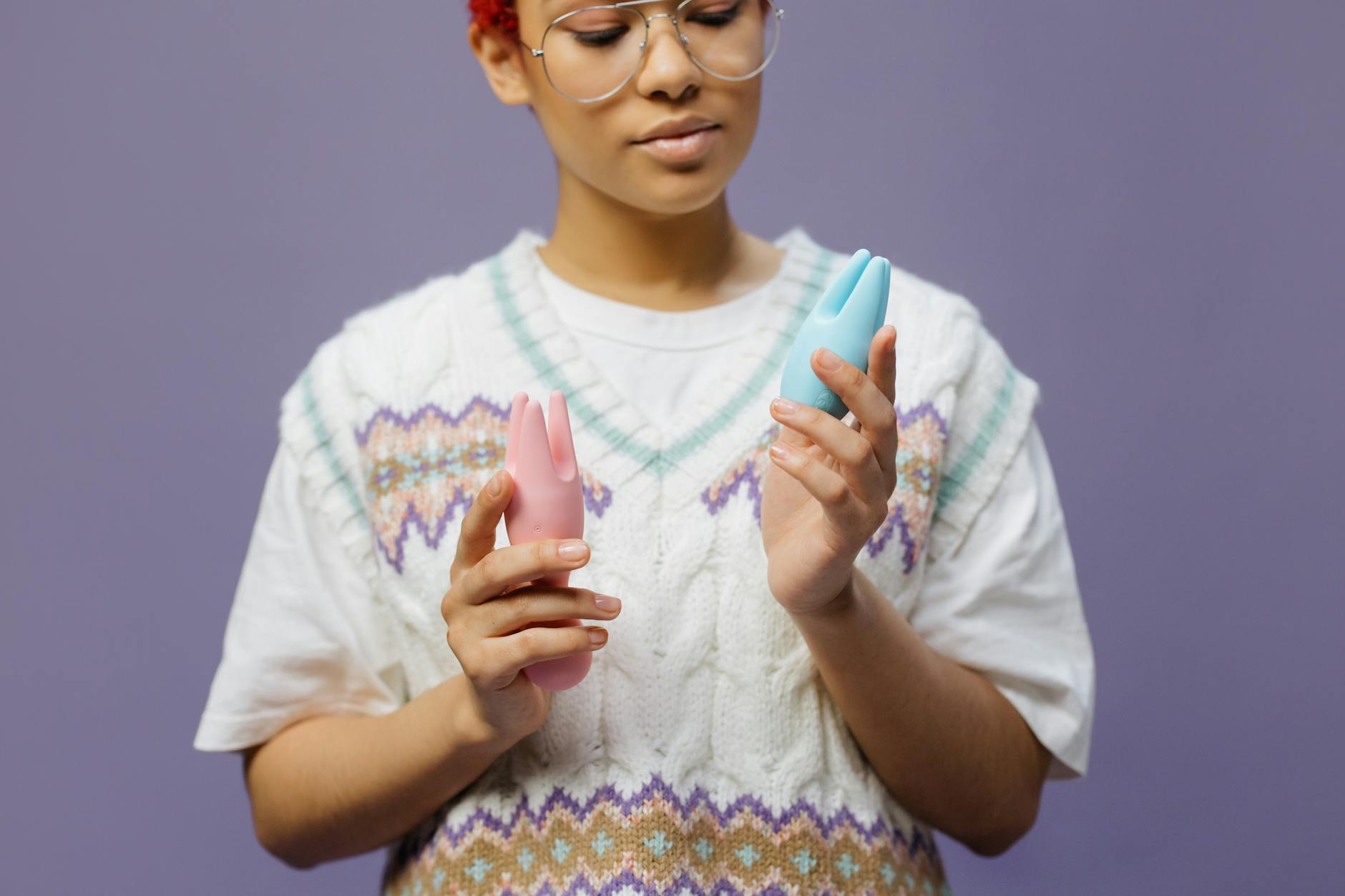
Lemon vibrators use suction and pulsing patterns instead. This is the crucial difference. Suction stimulates a larger surface area of nerve endings simultaneously, creating a different kind of pressure than simple vibration. It's gentler but more encompassing. For someone whose sensation is blunted, this approach often feels more noticeable because it engages the nerves differently.
Think of it like this: if vibration is a knock on the door, suction is someone pressing their whole hand against it. When the door's already thick (your medication-dampened nerves), the hand pressing approach gets through better than knocking ever could.
Here's what doesn't work: waiting until you're already turned on and then trying to catch up with a vibrator. Your nerves are too numb, the frustration builds, and you end up in a cycle where you feel bad about not feeling good.
Instead, reverse the order. Use the lemon vibrator first, as part of foreplay or solo exploration, before you're even sure you're aroused. Start on the lowest setting and spend 10-15 minutes just noticing. This isn't about racing to orgasm. It's about waking up nerve pathways that the medication has quieted.
Many of my clients report that after 5-7 minutes of consistent suction, sensation starts creeping back in. It's subtle at first. But once that door opens, arousal can actually build naturally afterward. The vibrator becomes a primer, not a crutch.
SSRI levels in your bloodstream peak at different times depending on which medication you take. Some people find their sensation is marginally better right before their next dose (when the previous dose is wearing off slightly). Others notice a tiny uptick at certain times of day.
This sounds obsessive, but tracking when you feel most sensation can genuinely help. You might notice that weekend mornings, or Tuesday evenings, or right before you're due for your next pill, sensation feels slightly less muted. This isn't imagination. It's pharmacology.
I'm not suggesting you skip doses or change your timing without talking to your doctor. But understanding your own patterns gives you information. Maybe you schedule partner time for when you typically feel most responsive. Maybe you use the lemon vibrator during your lower-sensation windows to artificially raise the bar.
Most people don't bring this up with their doctor. They're embarrassed. Or they've been told "this usually improves" (it often doesn't). Or they think accepting the sexual side effect is the price of mental health.
Here's what changes the conversation: be specific. Instead of "my sex drive is lower," say "I can't feel stimulation the way I used to, and I'm on week eight so this isn't going to resolve on its own." That specificity signals to your doctor that you understand the mechanism and you're not just being impatient.
Then ask about three things: First, whether switching to a different class of antidepressant (like bupropion, which doesn't suppress sensation) is viable for your particular depression. Second, whether adding a medication that counteracts sexual side effects (like buspirone or bupropion as an augment) is appropriate. Third, whether dose adjustment might help without sacrificing mood stability.
You're not asking your doctor to magically fix this with one conversation. You're gathering information so you can make an informed decision alongside them.
Using a lemon vibrator when your sensation is dampened isn't a quick fix. It's a workaround that takes time. You might spend fifteen minutes with the vibrator and still not orgasm. That can feel defeating.
But here's what I've seen happen repeatedly: people who stick with it for three to four weeks often notice their baseline sensation improves. Not because the medication changed, but because consistent stimulation seems to wake up neural pathways. It's like exercising a muscle. You're not reversing the medication's effect, but you're maximizing what sensation still exists.
Some people combine this with <a href="/blog/how-to-use-lemon-vibrator-for-better-orgasms-when-numbed-by-ssri-numbness">other strategies for restoring pleasure when SSRIs numb sensation</a>. Others find that using the lemon vibrator as a regular part of their intimate life gradually shifts what feels possible.
If after four to six weeks of consistent use your sensation genuinely hasn't budged at all, and your medication is non-negotiable for your mental health, it's time to circle back to your doctor. There are other avenues: temporary medication holidays (rarely recommended, but sometimes discussed), augmentation strategies, or switching medications entirely.
You also might explore <a href="/blog/how-to-use-lemon-vibrator-when-clitoral-numbness-interferes-with-orgasm">other approaches to pleasure when clitoral numbness persists</a>. Not every solution is pharmaceutical or mechanical. Sometimes working with a sex therapist who understands antidepressant side effects can help reframe what pleasure looks like when sensation is limited.
The goal isn't to force yourself to feel the way you felt before medication. It's to find a version of pleasure that exists alongside your mental health treatment.
One thing I notice with clients on SSRIs is that they often stop trying. Sensation is reduced, orgasm is harder, so they simply stop initiating or exploring. The lemon vibrator can be a way back in. Not as a miracle tool, but as permission.
Using it regularly, even without expecting orgasm, sends your nervous system a signal that pleasure is still worth pursuing. That sensation matters. That you're worth the fifteen minutes it takes. For someone whose medication has dampened everything, including motivation, that shift can be surprisingly powerful.
Your antidepressant is keeping you mentally well. A lemon clitoral vibrator is a practical tool for keeping pleasure alive while you're on it.
Most medication combinations don't interact with using a vibrator, but some drugs (particularly certain blood pressure medications or neurological medications) can further dampen sensation. Talk to your pharmacist about this specific question. They have access to your full medication profile and can flag if there's a cumulative numbing effect. Even if there is, using a lemon vibrator is still generally safe. You might just find you need to be more patient with it.
If you stop your medication (which should happen only under medical supervision), sexual sensation typically improves within two to four weeks as the drug clears your system. But stopping your antidepressant isn't a reasonable solution to sexual side effects, and many people find their mood crashes aren't worth the benefit. This is why exploring workarounds like lemon vibrators while staying on medication matters.
Not necessarily, but it's common. Some people find that regular use of a lemon vibrator gradually restores baseline sensation. Others find they need the extra stimulation consistently. Neither is wrong. The point is you're finding a way to maintain pleasure and intimacy despite a medication side effect. That's a win.
Yes, absolutely. Your partner isn't a mind reader, and they might assume they're doing something wrong or that you're losing interest in them. Being direct about "my medication is dampening sensation, so I might need more time or different stimulation" actually brings you closer together. You're problem-solving as a team rather than silently struggling.
This is worth an actual conversation, not just reassurance. Ask your partner what's underneath that. Is it that they feel less involved? Less important? A lemon vibrator isn't a replacement for partner intimacy. It's a tool for building sensation back up so you can experience pleasure together. You might use it solo to prime yourself, then transition to partnered sex. You might use it together. The key is communication, not hiding it.
Completely. Longer foreplay, different settings, exploring what arouses you mentally as well as physically. These all work alongside using a vibrator. Some people also find that improving sleep, managing stress, or exploring what turns them on (which can shift when you're on medication) helps bring sensation back. The vibrator is one tool in a bigger toolkit.