The guilt that shows up uninvited
Let's be real. After years together, the idea of solo pleasure can feel like a small betrayal. Like you're supposed to want your partner, only your partner, exactly as things have always been. The voices in your head sound reasonable: "If I'm happy with them, why do I need this?" Or worse: "Wanting to explore alone means something's wrong."
Neither is true. Solo exploration is not an indictment of your partnership. It's an education in yourself.
I've worked with couples for twenty years, and the ones who thrive are the ones who understand this: your partner cannot meet every need you have. That's not a failure on their part. It's just physics. Two people, shaped by different histories, different bodies, different nervous systems. One person alone with themselves can access things that require a different kind of attention.
Why your brain is making this harder than it needs to be
Three things happen when you've been partnered for a long time:
First, merged identity. You've built a shared life. The line between "me" and "us" gets blurry. Your pleasure becomes something you think about in relation to them. Solo pleasure starts to feel like a parallel life, which feels dangerous.
Second, obligation drift. Over years, sex often becomes something you do "for" the relationship, not "with" yourself. Your own desire gets deprioritized. When you finally want to explore alone, it can feel selfish because pleasure for pleasure's sake hasn't been part of your language for a while.
Third, the comparison trap. You imagine your partner might feel replaced, inadequate, or suspicious. So you don't even start. Your silence becomes the boundary, and the boundary becomes the problem.
All of this is solvable. Most of it doesn't even require a conversation. It just requires you to give yourself permission.
What solo exploration actually changes
Let me be specific. When you explore alone with a lemon vibrator or any adult toy, you learn four critical things:
How your body responds without an audience. Even if your partner is accepting and kind, their presence changes your nervous system. You perform differently. You contract differently. You orgasm differently. Alone, you get to find out what your baseline actually is.
What pressure you've been carrying. A lot of partnered sex is negotiation. Speed. Duration. Rhythm. When you're alone, you notice how much energy you've been spending on someone else's experience. That awareness is huge.
Your actual pleasure geography. You might discover that the clitoral stimulation you get from a lemon clitoral vibrator brings you to orgasm in ninety seconds when you're alone, but takes longer with your partner. That's not weird. That's useful information.
That desire is on a spectrum, and it changes. Solo pleasure helps you see that some days you want fast, some days you want slow. Some days you want sensation, some days you want fantasy. Having a solo practice lets you honor all of that without needing your partner to adapt in real time.
None of this diminishes partnered sex. It actually improves it, because you stop expecting one person to meet all your needs.
How to actually start
I recommend a three-step approach:
Step one: Choose a time when you genuinely want to, not when you think you should. This matters more than you think. If you're forcing it out of guilt or intellectual agreement, your body won't cooperate. Wait for a moment when curiosity is present, not obligation.
Step two: Pick a tool that matches your temperament. If you're nervous about exploring, a lemon vibrator is honestly ideal. It's small, intuitive, and specifically designed for clitoral pleasure. No learning curve. A lemon sucker or clitoral vibrator gives you immediate feedback: it either feels good or it doesn't. You're not wondering if you're using it wrong.
Step three: Build in 15 to 20 minutes of no-pressure time. This isn't a performance. There's no finish line. Set a timer if you need to. Tell yourself you're just practicing sensation. Some of those sessions will lead to orgasm. Some won't. Both are data.

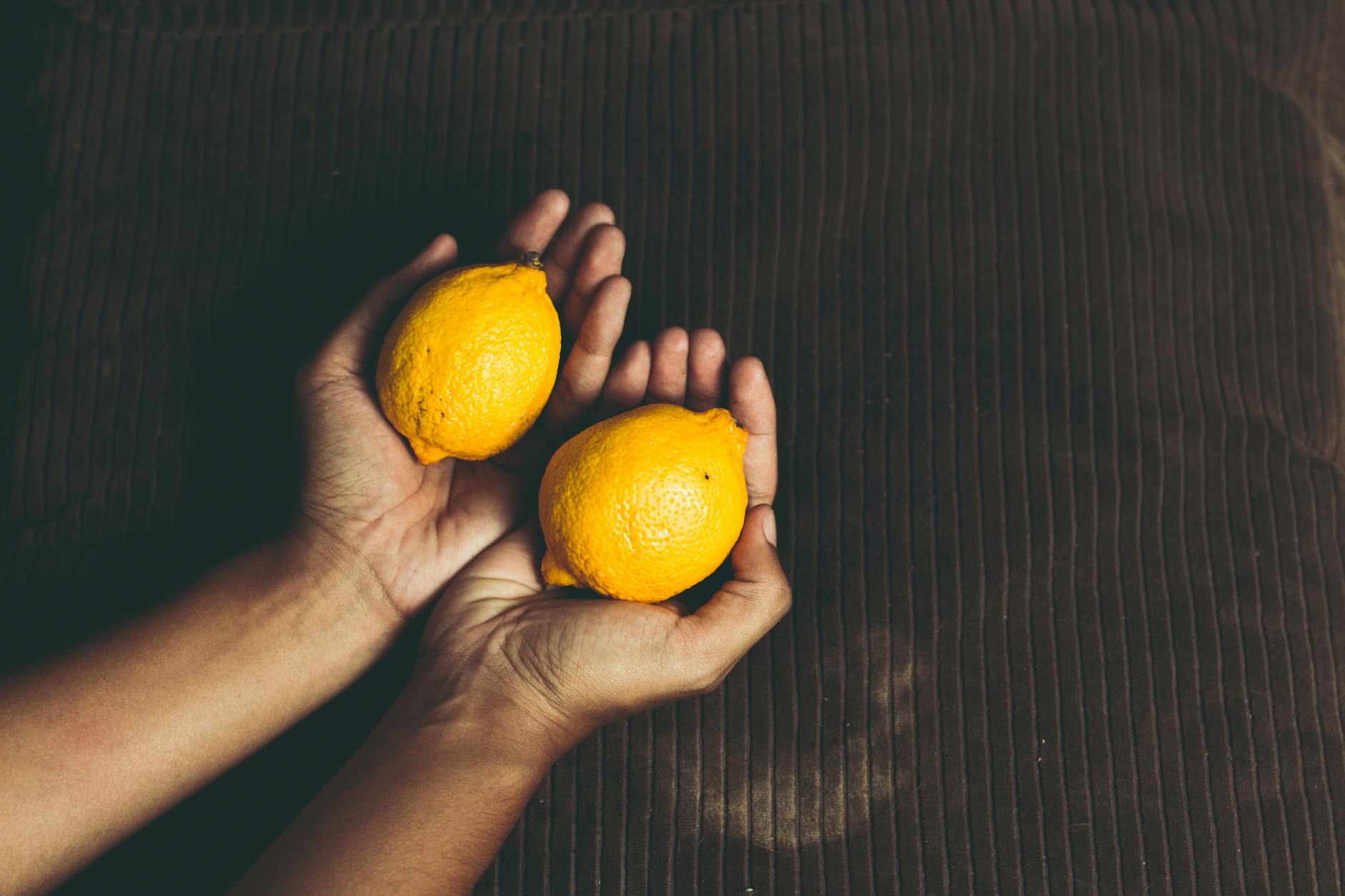
Photo by Diana ✨ on Pexels
The conversation you might want to have (and when)
Here's where people get stuck. They think they need to tell their partner before they explore. They don't. Not immediately, anyway.
Your solo exploration is not your partner's business until you want it to be. This is worth repeating: you don't owe them a disclosure about your private pleasure. If you want to tell them, great. If you want to keep it private, that's also fine.
That said, if you're in a relationship where secrets create toxicity, timing matters. I'd suggest waiting until you've done this a few times alone. You want to know what you actually want before you're defending it to someone else. Once you've had three or four solo sessions, you'll have language. You'll know whether this is something you want to integrate into partnered sex, or keep entirely separate.
When you do mention it (if you do), frame it as expansion, not substitution: "I've been exploring some things alone, and I've learned that my body responds to X. I wanted to tell you because it might be interesting to us."
Or you don't mention it. Both are valid.
What changes when you bring a lemon vibrator into this
The clitoral vibrators at My Lem Vibrator, particularly the Lem, are designed for this exact moment. They're not intimidating. They're not medical. They're not complicated. You turn them on and you feel what happens.
For solo exploration specifically, the Lem works because it's:
Versatile enough to match different moods. You can go from low-intensity sensation to high intensity in seconds. Some days you want pattern 2. Some days pattern 6. Your preference is the only rule.
Small enough to feel private and portable. No elaborate setup. No ritual. Just reach for it when you want.
Fast enough to match your body's actual pace. If you discover that your body wants rapid clitoral stimulation without a lot of preamble, the Lem doesn't require you to spend thirty minutes building arousal first. That's not laziness. That's efficiency. That's knowing yourself.
One note: if you're nervous about noise, the Lem is quieter than most vibrators, which removes one barrier to relaxing alone. That matters.
What happens after the first few times
Usually, one of three things occurs:
You realize you actually prefer solo sex to partnered sex, and you need to have a bigger conversation. This is rare, but it happens. If you're exploring and discovering fundamental incompatibility, that's important information. It doesn't mean you have to leave. It means you get to stop pretending.
You discover things you want to bring into partnered sex. You learn that you like a certain rhythm, or a certain kind of touch. You become more articulate about your needs. That's the most common outcome, and it usually improves the partnership.
You develop a parallel pleasure practice that exists entirely separately from your partnership. You have solo time, they have solo time, you have partnered time. All three coexist. This is actually the healthiest long-term model, and it's what I see happen most often in couples who sustain desire over decades.
The guilt never fully disappears, and that's okay
I won't tell you that once you start exploring, the discomfort vanishes. It might linger a little. That's human. You've probably spent decades being taught that female pleasure is relational, not autonomous. Undoing that takes time.
But here's what I've seen happen: after the third or fourth solo session, the guilt shifts. It stops feeling like betrayal and starts feeling like self-care. You notice your mood lifting. Your body feeling less tense. Your actual partnered sex getting better because you're not performing. You're present.
That's worth the discomfort of starting.
People also ask
Will my partner feel replaced if I explore solo with a vibrator?
Only if you frame it that way, and only if you're using solo exploration to avoid partnership rather than to deepen it. A toy is not a substitute for intimacy. It's a tool for understanding yourself. Most partners don't feel replaced by their partner's vibrator. They feel relieved. Suddenly, all the pressure to be everything falls away.
Should I tell my partner before I start exploring alone, or after?
Neither is wrong, but I recommend waiting until you've done it a few times. You want to be grounded in your own experience before you're defending it. Once you know why you're doing this and what you're learning, the conversation is stronger. You're not asking permission. You're sharing something you've discovered.
Is it normal to feel weird or guilty about wanting solo pleasure when you're in a long-term relationship?
Completely normal. You've been taught that desire is something you perform for someone else. Solo pleasure challenges that story. The guilt is the old narrative fighting back. It doesn't mean something's wrong. It means you're reclaiming something that belongs to you alone.
How long does it take to feel comfortable exploring alone?
Varies widely. Some people feel comfortable after one session. Others need three or four before the guilt loosens. The key is consistency, not intensity. One solo session per week is better than three sessions in one week. Your brain needs time to normalize the idea.
Can a lemon vibrator help if I'm nervous about exploring solo?
Yes. The simplicity removes one layer of barrier. You're not figuring out a complicated toy while also managing emotional discomfort. You just turn it on and pay attention to what feels good. That focus is grounding.
What if my partner finds out and reacts badly?
That's worth addressing in the partnership, separately from the solo pleasure question. A partner's insecurity about your autonomy is a relationship issue, not a personal failing. You might need to talk about boundaries, trust, or what independence means in your dynamic. That conversation is separate from whether you explore alone.
The real point
You've been in a partnership long enough that you've probably forgotten that you are a complete person on your own. Solo exploration with a lemon vibrator or any tool isn't about leaving. It's about remembering. It's about reconnecting with desire that belongs entirely to you, no negotiation required.
That reconnection usually makes you a better partner, not a worse one. You show up with more aliveness. More clarity. More boundaries. Those things strengthen relationships.
Start small. Pick a time. Give yourself permission. The guilt might show up, and that's okay. Keep going anyway. Your body, and probably your partnership, will thank you.
Want to explore more about desire, pleasure, and partnership? Read about how to use a lemon vibrator when arousal builds slowly in midlife, or learn what happens when pleasure feels disconnected after grief. Both cover the complexity of reclaiming pleasure in long-term relationships.
If you're navigating partnership questions alongside solo exploration, this piece on emotional intimacy might offer useful perspective on reconnecting as a couple while honoring your individual needs.
Have questions about getting started? Let's talk.