Okay, so you've bought the good water-based lubricant. The one that doesn't have parabens or that weird smell. You're using enough of it. And it's still... not really solving the dryness problem. That friction is still there. That sense that your body isn't cooperating, even though your brain is fully interested. You're definitely not alone in this.
Here's what's happening: standard lubrication works by creating a slippery layer between tissues and whatever's making contact. That's genuinely helpful. But if the tissue itself is thinned, irritated, or has lost elasticity due to hormonal changes, low estrogen, medication side effects, or chronic inflammation, even the best lube is working against biology. You need a different approach entirely.
That's where lemon vibrators and clitoral suction technology change the game.
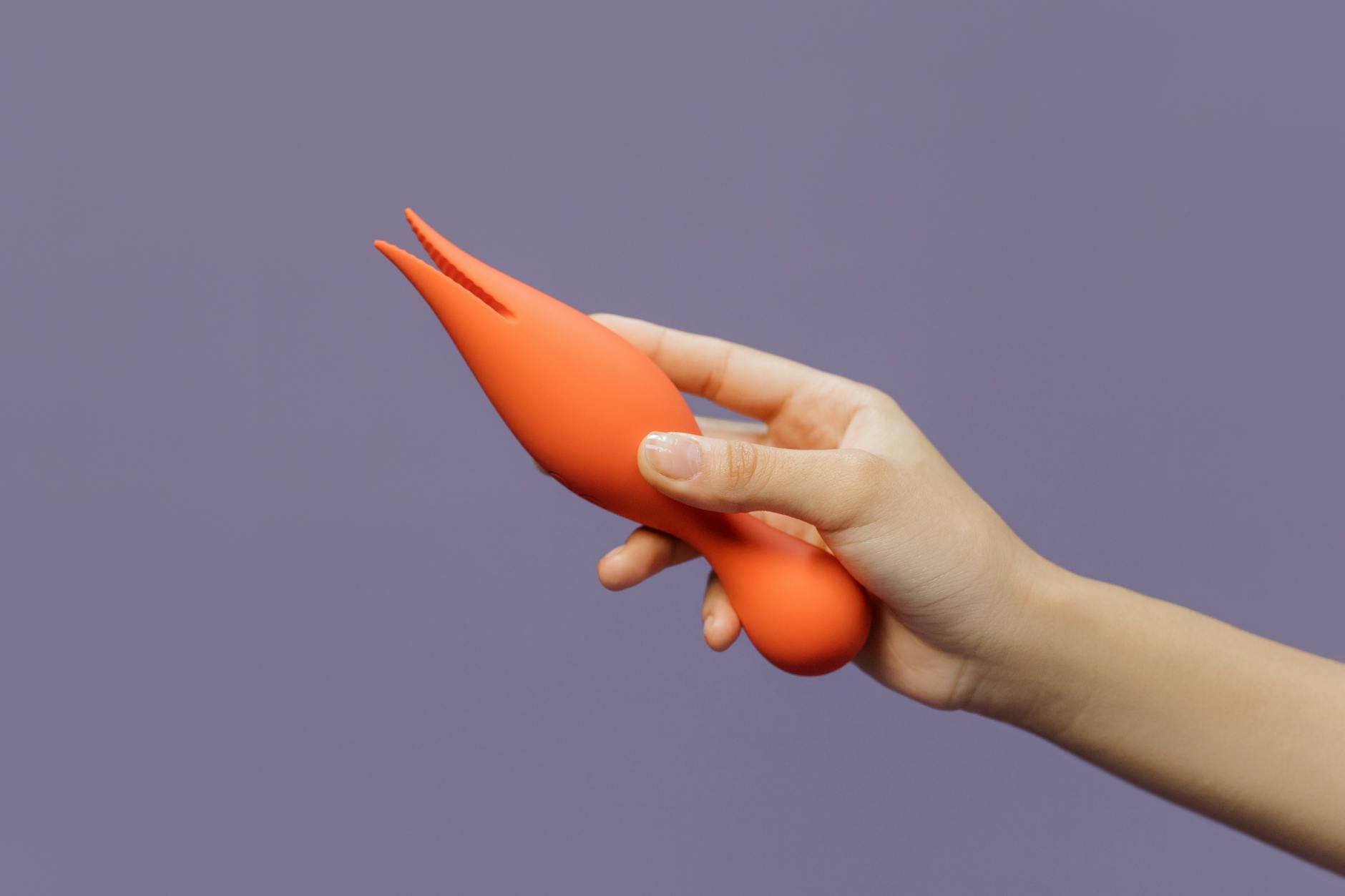
A lemon vibrator like the Lem works through air-suction stimulation, not direct friction or vibration alone. Instead of moving back and forth against tissue, it creates gentle waves of pressure and release around the clitoris. This matters enormously when dryness is present.
Think of it this way: traditional vibration requires direct contact with tissue that's already compromised. Even with lube, that means sustained pressure on irritated or thinned skin. Suction, by contrast, stimulates the nerves without that same grinding pressure. The sensation is concentrated, often more intense, but gentler on the tissue itself.
Many people with persistent vaginal dryness report that their first satisfying orgasm in months came with a clitoral vibrator designed around suction. It's not because suction magically hydrates tissue. It's because you're stimulating pleasure without forcing already-stressed tissue to endure friction it can't tolerate.
If you're adding a lemon vibrator to your routine specifically because standard lube isn't cutting it, start methodical.
Pattern 1 or 2 to begin. Don't go straight to the middle. Your clitoris has been working overtime trying to respond despite dryness. Start gently. Spend five to ten minutes at the lowest setting, letting your body register what's happening without pressure to escalate.
Move up incrementally. Once the lower patterns feel good and you're experiencing arousal, move to pattern 3. Most people with persistent dryness find patterns 3 through 5 deliver the strongest orgasms without the tissue irritation that comes from traditional vibrators at high speeds.
Apply minimal lube first. You don't need the heavy-duty amount you'd use with a regular vibrator. A small amount of water-based lube on the cup of the vibrator is usually enough. The suction does most of the work. Overlubrication can actually reduce the suction seal.
Use consistent pressure, not motion. With traditional vibrators, you move them around. With a lemon clitoral vibrator, position it correctly and let the suction work. Stay still for 30 seconds to two minutes per pattern. This gives your nervous system time to recognize and respond to the sensation.
Vaginal dryness has multiple causes, and knowing which one applies to you matters because it changes what else you should be doing.
Estrogen-related dryness. This happens during menopause, perimenopause, after certain cancer treatments, or as a side effect of some birth control methods. The tissue itself thins and loses elasticity. A lemon vibrator helps with pleasure, but you should also talk to a gynecologist about vaginal estrogen creams (like Vagifem or Estrace), which rebuild tissue from the inside. These are topical, low-systemic absorption, and they work. Not as a substitute for pleasure tools, but alongside them.
Medication-induced dryness. Antidepressants, antihistamines, and some blood pressure medications dry everything out, including genital tissue. Lemon vibrators are helpful. But also ask your prescriber: can we adjust timing, dose, or medication? Sometimes the answer is yes. If not, a gynecologist can still suggest tissue support.
Chronic inflammation or irritation. Lichen sclerosus, lichen planus, contact dermatitis from products or underwear fabrics. These need medical diagnosis. A lemon vibrator might feel better than friction-based stimulation because it avoids direct grinding pressure. But you also need treatment for the underlying condition. Don't assume dryness is just dryness.
Low libido or arousal difficulty. Sometimes what feels like dryness is actually under-arousal. Your body isn't flooding with blood to the clitoris and vagina because something's off with desire or mental focus. A lemon vibrator, with its concentrated stimulation, often bypasses that delay and builds arousal faster than manual or traditional vibratory methods.
If you're in a relationship, persistent dryness often gets confused with lack of attraction or desire. That confusion tanks intimacy faster than the dryness itself.
Here's what I tell couples: dryness is a tissue condition. Desire is a brain and nervous system condition. They can happen independently. You can be wildly attracted to your partner and still have dryness. You can also be ambivalent about sex and have completely normal lubrication. Confusing the two turns a manageable issue into a relationship problem.
If your partner is involved, set a clear boundary: "My body's moisture level tells us nothing about how I feel about you." Then show them how a lemon vibrator changes things for you. Let them watch or participate if you're comfortable. Clitoral vibrators, especially ones like the Lem, are easy to incorporate into partnered sex. They don't replace anything. They enhance.
If dryness is severe or persistent despite lube and vibrators, schedule a gynecology appointment. Not because there's something shameful happening, but because some underlying causes respond really well to treatment, and you deserve that relief.
Bring this list of questions: Are my hormone levels consistent with my age and cycle status? Could my medications be causing this? Have I been evaluated for lichen sclerosus or other inflammatory conditions? Are there topical estrogen options I haven't tried? Could systemic hormone therapy help, or is that not right for me? What's the difference between vaginal moisturizers and lubrications, and would a daily moisturizer help?
Good gynecologists take dryness seriously because it affects quality of life and sexual function. You're not being high-maintenance by asking.
When you first use a lemon vibrator specifically to address dryness, your body might surprise you. Some people have their first orgasm in months. Some take three or four sessions to feel the difference. Some notice the sensation is more satisfying, even if orgasm isn't the point.
Give it at least five sessions before deciding if it's working for you. Your nervous system needs time to learn a new type of stimulation. And honestly, the pleasure architecture in your body often improves with consistent, pressure-free stimulation. Meaning the second week of use often feels better than the first.
Yes. Antidepressants, especially SSRIs, reduce genital blood flow and create dryness. A clitoral vibrator circumvents that by directly stimulating the nerve endings that don't require the same vascular response. It's not a cure for medication-induced sexual side effects, but it's often an effective workaround. Talk to your prescriber about whether a lower dose, timing adjustment, or medication switch is possible. But a lemon vibrator can absolutely help you have pleasure in the meantime.
Yes. Suction-based clitoral vibrators like the Lem create pleasure through pressure waves rather than direct oscillation. This is gentler on already-irritated or thinned tissue. Traditional bullet vibrators or wand vibrators deliver high-frequency vibration directly to tissue, which works great for some people but can feel raw when dryness is the core issue. If you're dealing with persistent dryness, suction technology is usually more comfortable.
Not necessarily before. If you use a daily vaginal moisturizer (like Hyalo Gyn or Hyabak), use it in the morning or evening separate from your pleasure time. Then, right before using your vibrator, apply a small amount of water-based lube directly to the cup. The moisturizer works long-term to improve tissue hydration. The lube creates the seal for suction. They work in different ways.
Possibly. Severe dryness that doesn't respond to lubrication could indicate lichen sclerosus, hormonal imbalance, autoimmune inflammation, or medication side effects that need adjustment. You don't need to panic, but you do need to see a gynecologist. A lemon vibrator can help you feel pleasure while you're getting evaluated, but it's not a replacement for medical assessment.
There's no fixed schedule. If using it regularly (three to five times per week) feels pleasurable and doesn't create irritation, that's fine. Some people find that consistent stimulation actually improves tissue response over time because blood flow to the area increases. Others prefer less frequent use. Listen to your body. If you feel irritated, give it a rest day. If you feel great, there's no limit.
Both, sort of. A lemon vibrator is a tool for pleasure right now, despite dryness. But regular, pleasurable stimulation does increase blood flow to genital tissue, which can improve natural lubrication over time. It's not a cure, especially if the dryness is hormonal or medication-induced. But it's not just a Band-Aid either. You're engaging your body in a way that feels good and can have secondary positive effects on tissue health.
If vaginal dryness is limiting your pleasure, a lemon clitoral vibrator is worth trying specifically because it works differently than traditional vibrators. But also book that gynecology appointment. Figure out whether your dryness is hormonal, medication-related, or inflammatory. Get tissue-specific treatment if it's available to you. Then use your vibrator for what it's designed for: making sex feel better right now.